Originally Written for English 101 on November 15, 2001.
A large population of American students are struggling in college. According to some academic professionals, young adults fail to spend enough time on studying. As a result, these teachers are frustrated that their pupils are not satisfactorily completing their assignments.
Walter S. Minot, a professor of English at Gannon University, believes he has found the reason for the decline of education. In his article Students Who Push Burgers, Minor relates a typical example of employed students. His student believes he is overwhelmed with work and financial obligations.
Minot believes that part-time employment of students is the issue. He states that it has been overlooked by all the commentaries that he has reviewed.
Minot explains that the world has accepted and even celebrated the part-time job as a “normal feature of adolescence.” To argue his case, Minot relies on his own memories to show that such employment is unnecessary.
In the 1950s, most teenagers lacked steady employment and relied heavily on chores, babysitting, mowing, and delivering. Minot explains that those who worked regularly were poor and needed to help their families.
In contrast, Minot briefly touches upon his own daughter’s academic days. Minot would not allow her to work. He compared how he allowed her to focus on homework while her friends had little time.
Minot believes that young people waste their money on useless items and somehow parents have allowed this problem to happen. As a teacher, Minot has seen the effects of student employment. He wishes his students would set aside more time for studying, then for work and play. By the time students arrive at college, they view studying as an optional activity. Minot explains this is why students find it difficult to finish quality work on time.
Minot concludes that American education has declined because young students have entered the workforce. Now, everyone is paying the price.
Although Minot offers an interesting analysis, he has overlooked other possibilities for the problem.
First, Minot enjoyed the societal privilege of a long-gone era. Although his parents supported him, the current generation is not as fortunate. Many students have to work to pay for housing, transportation, food, clothing, tuition, and insurance. They do not waste their money on “useless tripe.”
Second, it is true that many students choose whether or not to study. If they spend their free time more wisely, then they will have both employment and academic success. But some students who fail school are unemployed. They do not have the aptitude to learn in academic settings. Other students decide to experiment with drugs and consume alcohol. Both are reasons that Minot dismisses as part of a “universal scapegoat.” Yet, condemning part-time student employment will not fix our educational system.
In conclusion, Minot assumes that the times haven’t changed. To him, students can rely on their family to support them through school. But part-time employment is necessary for some students, because they have no other choice. There are problems behind the decline of education that can’t be contained or explained in just one analysis or commentary.
WORKS CITED
Minot, Walter S. Students Who Push Burgers. Rpt. in the Allyn and Bacon Guide to Writing. John D. Ramage and John C. Bean. 2nd ed. Boston, MA: Allyn and Bacon, 2000. pp. 301-302.
Originally Written for English 102 (Honors) on February 3, 2002.
Everyone has their own opinions about artistic self-expression. For many conservative critics, one of the most controversial forms is rap music. It is considered by older generations to be questionable entertainment.
Jon Pareles, a music critic for The New York Times, discusses how rap has been blamed for violence and racism. In his article On Rap, Symbolism, and Fear, Pareles states that rap is the nexus point of a new generation.
Pareles explains how rap has caused controversy in the media. To critics, the recent riots at movie theaters and sporting events have become scapegoats. In particular, the critics attack the artists in the music industry. They believe that artists use rap as a hostile and renegade form of self-expression. In contrast, Pareles thinks that too many people “leap from a handful of lyrics to blanket denunciations.” The fans believe the majority of rappers actually ignore White Americans and promote self-help and humorous, even ritualistic boasting. For example, Chubb Rock focuses on positive aspects of life and advocates for peace and respectability in the music industry.
According to Pareles, rap has been around since the early 1970s then officially entered the music industry in 1980. Pareles concludes the controversy about rap should be over. Today, only the most fanatical individual would consider classic rock music a threat to the civilized world.
Unlike rock music, Pareles believes that “rap hasn’t had it so easy.” With rap’s wide range of performers and success, Pareles wonders why it hasn’t become just another form of entertainment. Ultimately, Pareles believes the problem lies somewhere between social and racial issues and the minds of politicians and older generations. Pareles points out that even at “rare racists extremes,” rap music only imitates the thoughts of young people for decades. The inspiration comes from the social and economic conditions they grew up around, offering them a unique opportunity. Pareles concludes by stating that rap can’t be stereotyped because artists pursue this method of self-expression for different reasons. Until rap music is treated as “something other than a terrifying [single entity],” the critics will continue to attack.
Indeed, Pareles addressed the misconceptions of rappers and why critics fear those who listen to their music. But he forces the issue into an “us-versus-them” argument. Throughout his article, Pareles takes too much of a defensive posture. For example, Pareles fails to acknowledge that some people do not listen to rap because of personal reasons. Quickly, he dismisses the opinion of others, which is ironic because Pareles is a critic.
According to his point of view, everyone believes that there are only two sides to this argument. Either accept and embrace rap music as positive self-expression or become a racist and self-righteous conservative critic.
As a result, Pareles downplays the dark side of the rap industry. He spends little time on the accusations made against rap. Pareles mentions a few artists who are extreme, but he dismisses them as rare examples. Conversely, Pareles develops the idea about generalizations. For years, critics have associated incorrect and negative stereotypes to artists and their fans.
A case in point, my fear started in elementary school. A group of black students who enjoyed rap music formed a playground gang. They bullied and mistreated the other children during recess. Soon, I was fearful when I saw any black classmates, no matter what music they enjoyed.
In time, I overcame that type of visceral reaction. I realized that we should not judge someone based on their musical taste…or skin color.
Presently, I have a coworker who deals with the urge to develop racist stereotypes about people. She believes we have more problems with black customers trying to argue about the video store membership requirements. Also, movies like Love and Basketball, Next Friday, and the Original Kings of Comedy are consistently stolen from our inventory. I have to remind the employee that the store is located in a densely populated urban neighborhood. Thus, the minority groups are the majority of our customers.
Truly, it is wrong to categorize any group of people for the actions of an individual. But it is difficult for other people to break that vicious cycle of fear and stereotypes. Alas, the controversy about rap music will continue.
Originally Written for English 102 (Honors) on February 16, 2002.
One of my childhood memories is watching the syndicated episodes of The Cosby Show. Although the social values of Black Americans went right over my head, I found the Huxtable Family to be enjoyable. Later, I realized The Cosby Show did not truly represent the average Black American lifestyle.
In fact, many critics were concerned about the racial images the show was offering to television viewers. One of those critics is Henry Louis Gates, Junior. He addresses those controversial issues in the article entitled TV’s Black World Turns – But Stays Unreal.
Gates begins his article by discussing Steve Miner’s Soul Man (1986). He shows how the images seen in film and television are misleading to White Americans. But Gates believes that Black Americans contribute to this problem. For example, many people buy particular magazines that list every black character seen in the media. This fixation leads to a major dilemma that affects the social and political progress of Black Americans.
To explain, Gates states that Bill Cosby’s extraordinary success has exerted a great influence over the television networks. For instance, the networks developed other Black American middle class family sitcoms like 227, Amen, andFamily Matters. Since the media reaches a vast audience, Gates has always been worried about characters on television. The majority of Black Americans have never been in control of the images, especially the negative examples. The fear of negative example dates back to the 1950s when Amos N Andy premiered on television. The show caused many Black Americans to feel “full of expectation and dread.” They hoped that the actors and characters would not embarrass them or let them down.
In the 1980s, Benson and The Cosby Show tried to solve the problem. Both shows attempted to fabricate the transformation desired in the prior decades. But the problem lies in the blurry line between the character and the actor.
Truly, Black Actors and Athletes have achieved a level of success. But Gates points out that the fictitious characters actually experience a better life than the actors who portray them. He explains that television programs like The Cosby Show make Black Americans uneasy. The show suggests that they are individually responsible for their own lot in life. As long as every Black Americans is depicted in degrading roles, a person would argue that racism was “indiscriminate.” Yet, integrating Black American families into the middle class throws the burden of poverty onto the poor families. Gates refers to this predicament as the “subliminal message of America’s weekly dinner date with the Huxtables.”
Gates continues his analysis by discussing Sterling Brown, a black poet and critic. Brown classified the black characters in American literature into seven categories. Yet, this led to “careful monitoring and, ultimately to censorship.” Soon, Black Americans were being used as comic relief.
Gates supports the belief that The Cosby Show has opened the eyes of many White Americans. They realize that Black Americans can be noble and successful in the entertainment industry. But the show has raised everyone’s expectations, wanting everyone to be like the Huxtables.
Nevertheless, the vision of Cosby-like families is recent when compared to Sanford and Son, Good Times, and What’s Happening. Gates ponders the “measure of the Huxtables nobility.” He believes that The Cosby Show is popular because the characters have converted to the White American mold.
Conversely, Gates congratulates the success of earlier sitcoms for making the idea of urban life acceptable. For example, The Jeffersons bridged the gap of poverty and the upper middle class. To him, shows have not succeeded to introduce television viewers to the “fullest range of black character types.”
Certainly, Gates appreciates recent sitcoms for revealing the traditional values of Black Americans. But he points out that both ends of the spectrum does not offer a clear and convincing picture to viewers.
Overall, Gates has shown great care and thought in his analysis. In fact, the history of Black American lifestyles in the media is correctly evaluated.
Truly, the media has not ended discrimination. In 1983, Webster showed a young boy (Emmanuel Lewis) being adopted by a White American middle-class couple. Later, The Cosby Show faced bigotry in foreign syndication. The international broadcasts of the show changed the “Huxtables” to the more common and pronounceable last name of “Robinson.”
Nevertheless, Gates is correct in saying “blacks are doing much better on TV than they are in real life.” For example, Lisa Bonet made deliberate attempts to discard her positive image. She married musician Lenny Kravitz and appeared in controversial movies and magazines. Eventually, Bonet was fired from The Cosby Show because of “creative differences.”
Likewise, the worst example, is Gary Coleman. Since the cancellation of Diff’rent Strokes, he faced many legal battles. Coleman sued his parents for illegally using his trust fund. Later, he appeared on Judge Mills Lane as a defendant. He was ordered to pay for the plaintiff’s hospital bills after he assaulted a fan in a shopping mall. Even so, Coleman has appeared on The Tonight Show, Mad TV, The Simpsons, and The Weakest Link.
On the other hand, Emmanuel Lewis distanced himself from his show, but in a positive direction. He established his own music label company.
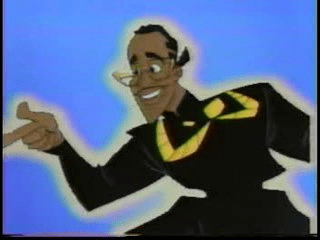
Indeed, television programs have come a long way from the days of Amos N Andy. But the media has portrayed Black Americans in ways that many television viewers do not even know about. A case in point, ten years after the live-action Batman series ended, NBC produced the Legends of the Superheroes. The two-part special is painful to watch with campy acting and cheap special effects. But the show featured a pseudo-New York Friar’s Club banquet with a new character called Ghetto Man visiting the group.
Overall, the “Great Amos N Andy Debate” showed how the media has gone from one extreme to another. Yet, the content creators will never consider a balance of the two sides. For many Black Americans, the images will be a constant reminder of how “TV’s Black World” continues to be counterfeit.
Originally Written for English 102 (Honors) on May 3, 2002.
The business world spends millions of dollars a year in advertising.
In fact, hundreds of businesses create snappy slogans and interesting taglines. Most of the time, the advertisements do not talk about the actual product. Instead, they use salacious content in their ads. Yet, this type of marketing works on the American people. As a result, businesses believe they have a model for whatever they are selling. The strategy affects both the customers and clients, forcing some people to speak out against the advertising world.
One of the challengers is Gloria Steinem, co-founder of Ms. magazine. She believes businesses have become too stubborn in their marketing techniques and refuse to meet the needs of potential clients. Steinem analyzes this controversy topic in her article entitled Sex, Lies, and Advertising.
Steinem begins her case by relating the time she spoke to a Soviet official. She said that to gain control of the media and the masses he would need possession of the advertising world. She maintains that advertisers influence the public more than journalists. This concern has always been a problem for her magazine, a rare example of an intellectual publication for women.
Steinem feels that other magazines like Time and Newsweek are not coerced to gain advertisers in their respective magazines. She explains the history of Ms. magazine, citing the trials of gaining legitimate ads that would appeal to her readers. Since advertisers would not meet her requirements, she hired a highly respected editor. This editor took pride in her work and put her job on the line when necessary. As a result, the controversy became more heated for beauty supplies, cigarettes, books, racism, and sexuality. Steinem and her colleagues managed to revitalize the magazine and gain editorial control.
Although companies are buying space in a magazine for advertising, the editors and staff should have control over the content.
One, advertisers are renting space. They do not own the magazine. For example, a tenant must adhere to the wishes of the landlord. A landlord decides what their tenants can do with their property, even though the tenants are paying for the space. The same applies to advertisers. They should not be allowed to settle on a single advertising technique then demand all magazines accept the idea. Indeed, the customer is not always right just because they are renting the space.
Two, advertising should appeal to all kinds of people. Everyone is different. Businesses are narrow-minded when they use one type of advertising. We do not fit in the same mold, so advertisers should not suggest that in their ads. Reality is better than stereotypes!
On a final note, Steinem is correct. The public is deceived by advertisers. The American people will speak out against racism, violence, and sexual crimes. But we refuse to acknowledge the insidious effects advertising has on our society. Sadly, we accept stereotypes in magazines without hesitation, not realizing that advertisers use the suggestive content to sell a product.
WORKS CITED
Steinem, Gloria. Sex, Lies, and Advertising. Reprinted in Reading and Writing about American Culture and the Media.
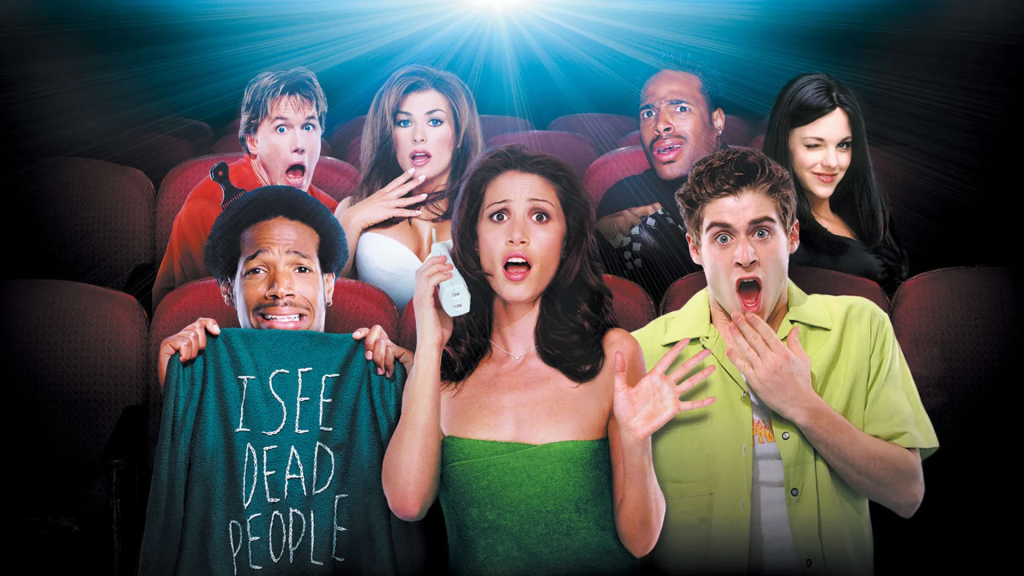
Synopsis: A group of high school friends accidentally hit a man with their car. They dump his body in a lake and swear to secrecy. One year later, someone wearing a Ghostface mask and black robe begins chasing them. A parody of Scream (1996) and I Know What You Did Last Summer (1997).
Director: Keenen Ivory Wayans
Cast:
Anna Faris …………….. CINDY CAMPBELL
Jon Abrahams ……….. BOBBY PRINZE
Marlon Wayans ……… SHORTY MEEKS
Regina Hall …………….. BRENDA MEEKS
Shawn Wayans ……….. RAY WILKINS
Shannon Elizabeth …. BUFFY GILMORE
Lochlyn Munro ………. GREG PHILIPPE
Dave Sheridan ………… DOOFY GILMORE
Cheri Oteri ……………… GAIL HAILSTORM
Carmen Electra ……….. DREW DECKER
Alternate Versionsof the Film:
VHS | DVD | BLU-RAY – U.S. Theatrical Cut (88-min.)
NBC | WGN AMERICA | COMEDY CENTRAL | COMET – Extended TV Cut which includes 16 minutes of extra footage. Yet, the film has been time-compressed, and some lines of dialogue have been censored or removed.
Extra Footage, Altered Footage, and Deleted Footage:
EXTRA FOOTAGE: Drew attempts to escape from the Killer but stops to run on a treadmill. (0:31)
EXTRA FOOTAGE: Drew’s extended call for help includes footage of the Killer approaching her. (0:21)
EXTRA FOOTAGE: The girls talk about their boyfriends. (2:37)
EXTRA FOOTAGE: Shorty drives away from Brenda and Ray. (0:18)
ALTERED FOOTAGE: Cindy’s line “…some dingbat like Jennifer Love Huge-Tits to play me,” has been changed to “…some dingbat like Neve Campbell to play me.”
EXTRA FOOTAGE: Cindy releases the classroom bird. (0:50)
EXTRA FOOTAGE: Ray makes a football play. (0:36)
EXTRA FOOTAGE: Brenda talks to Cindy about her problems. (2:14)
EXTRA FOOTAGE: Cindy answers the phone, places the Killer on hold, and takes another phone call. (2:34)
EXTRA FOOTAGE: Doofy apprehends Bobby and takes Cindy to the police station as Gail and Kenny arrive at the house. Later, the Sheriff interrogates Bobby. (2:27)
EXTRA FOOTAGE: Doofy supervises the students in the lunchroom while Shorty orders food. (0:38)
EXTRA FOOTAGE: At Cindy’s house, Gail and Kenny arrive to set up surveillance equipment. Shorty explains the rules of horror films. (3:36)
EXTRA FOOTAGE: Cindy and Bobby lay in bed. (0:28)
EXTRA FOOTAGE: The partygoers learn about Buffy’s fate. (0:43)
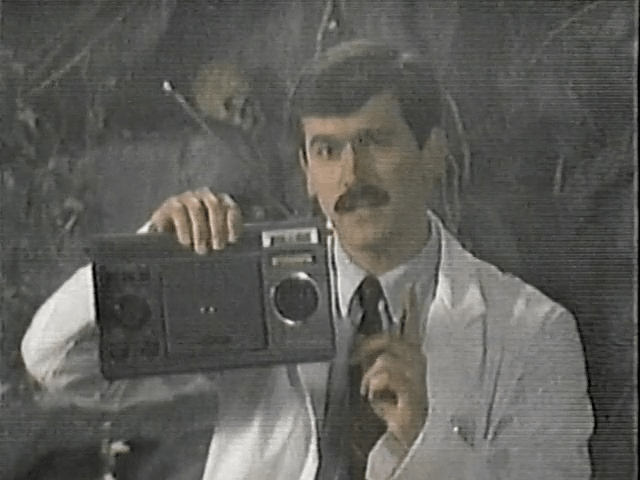
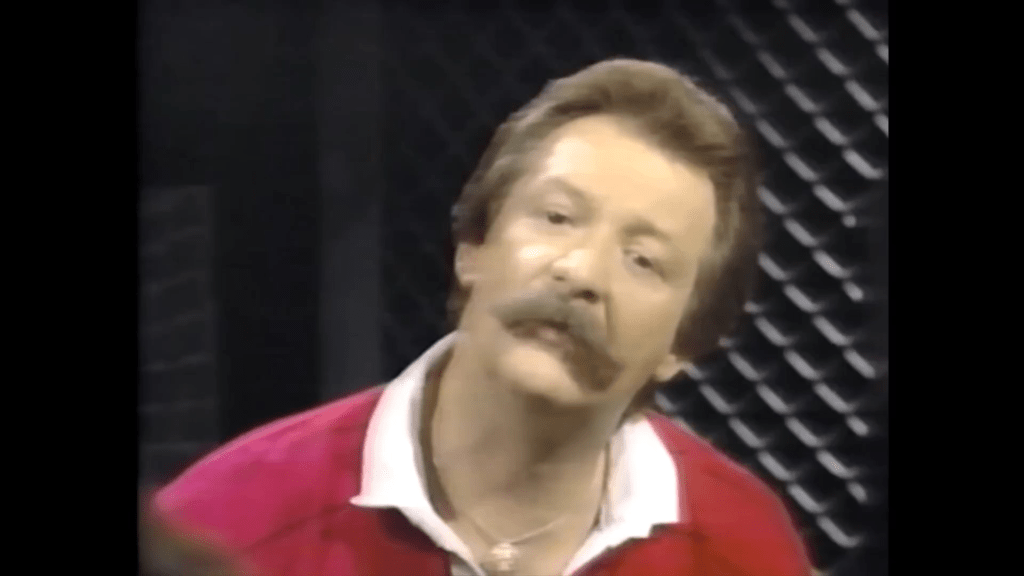
February 5, 2021: Bruce Campbell, (The Evil Dead, Army of Darkness), promoting Detroit’s WHYT radio station. Original Airdate: February 1984.
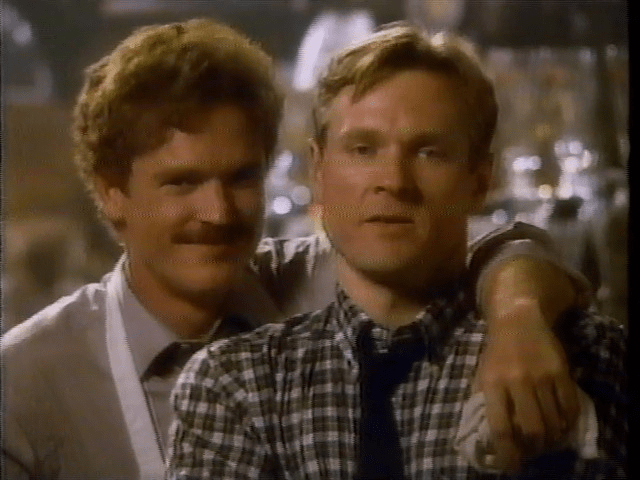
February 6, 2021: William Sadler (Die Hard 2, Bill & Ted’s Bogus Journey) promoting Miller High Life: The Champagne of Beers.
Original Airdate: February 1986.
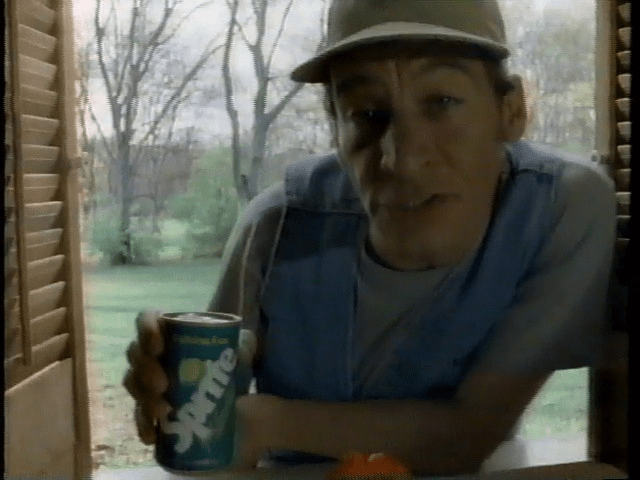
February 7, 2021: Ernest P. Worrell promoting Sprite. Jim Varney played the character in various local and national television commercials before making the transition to the big screen. Original Airdate: February 1986.
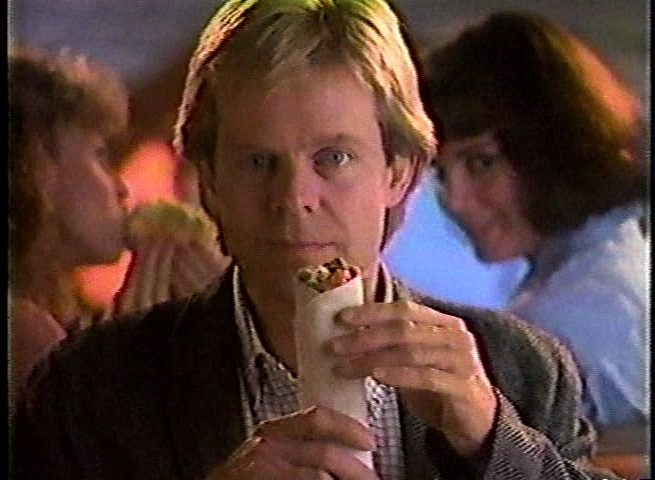
February 8, 2021: William H. Macy enjoying Taco Bell. Additionally, Fred Gwynne (The Munsters, Pet Sematary, My Cousin Vinny) was the voice-over announcer in the commercial. Original Airdate: February 1985.
February 9, 2021: Will Arnett (Arrested Development, The Lego Batman Movie) goes home for Manwiches. Original Airdate: October 1987.
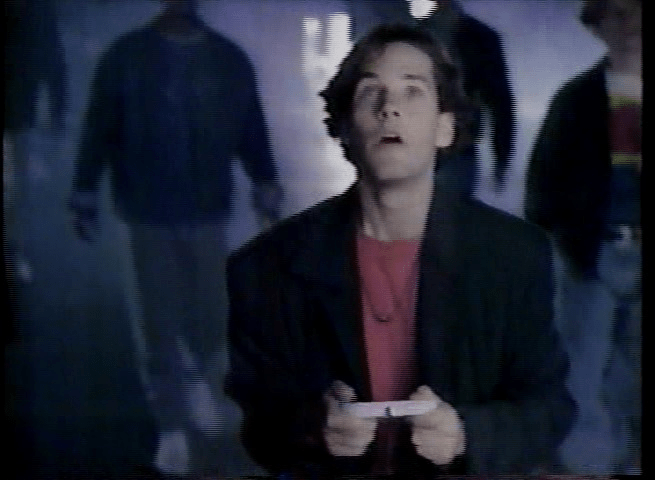
February 10, 2021: Paul Rudd (Halloween: The Curse of Michael Myers, Ant-Man) playing with power for Super Nintendo.
Original Airdate: January 1991.
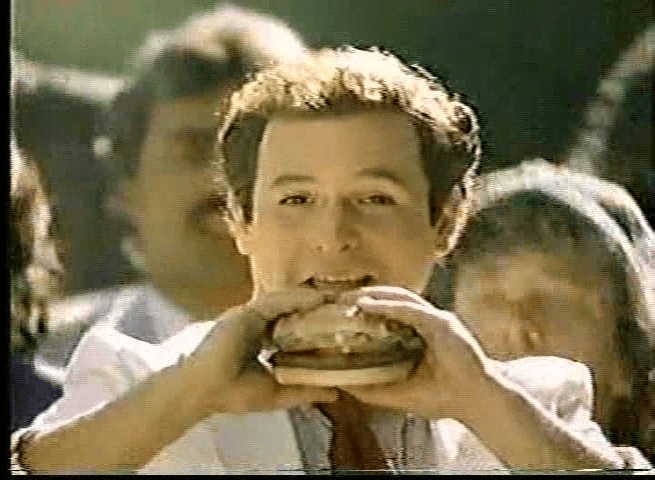
February 11, 2021: Jason Alexander (Seinfeld) singing praises and dancing outside McDonald’s for their new McDLT. Original Airdate: February 1985.
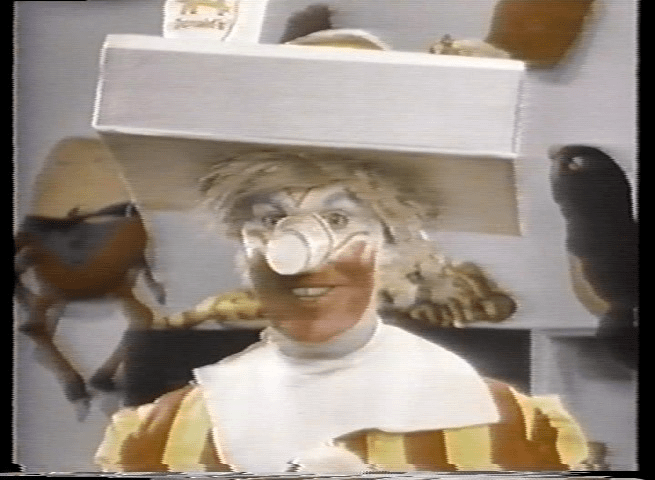
February 12, 2021: Willard Scott, a former NBC Today Show Weatherman, as the original Ronald McDonald (1963-1966).
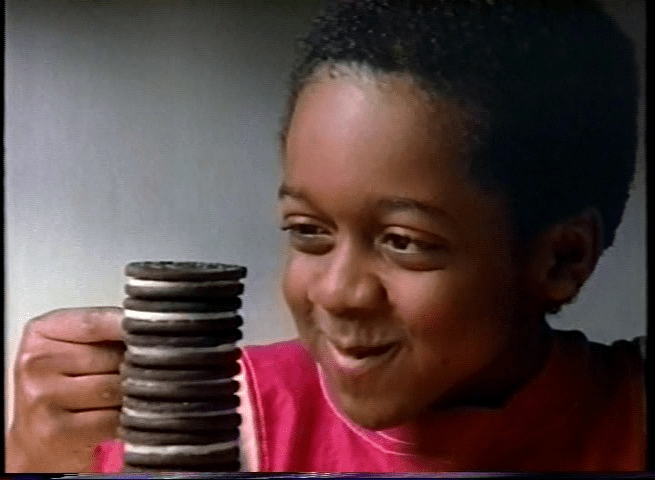
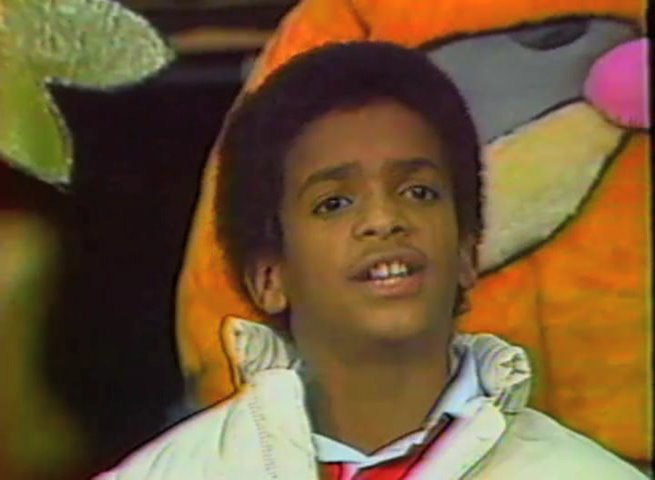
February 13, 2021: Jaleel White (Family Matters) stacking Oreo cookies.
Original Airdate: July 1985.
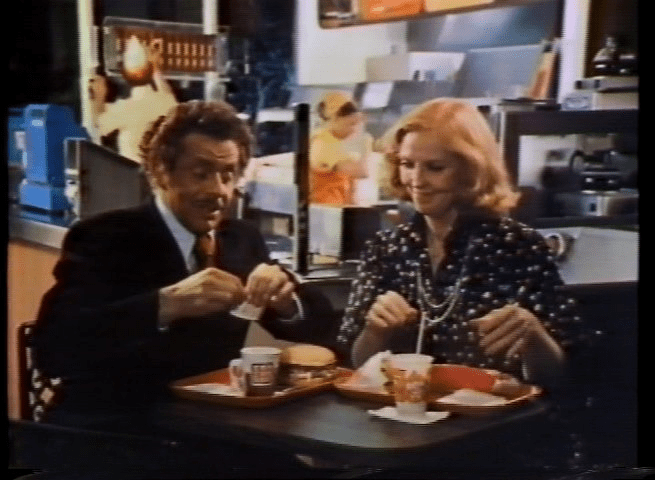
February 14, 2021: Jerry Stiller (Seinfeld) and Anne Meara (ALF), a real-life couple and comedy duo, visiting Jack in the Box.
Original Airdate: November 1976.
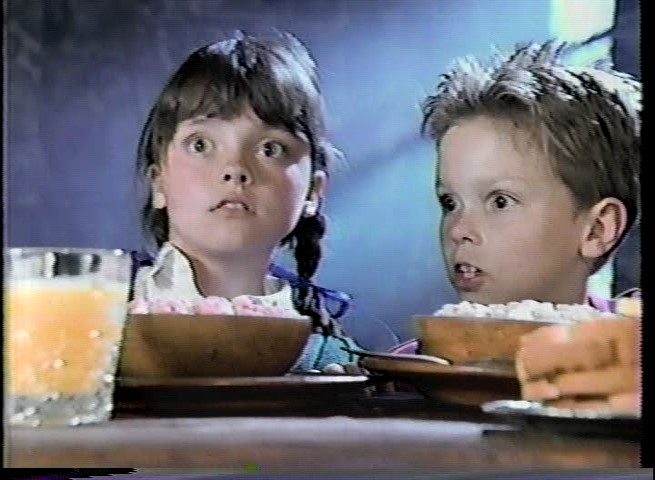
February 15, 2021: Christina Ricci (The Addams Family) eating Franken Berry cereal. Original Airdate: October 1990.
February 16, 2021: Vin Diesel (The Fast and the Furious) showing off his skills in the Breakin’ in the U.S.A. (1984) instructional video.
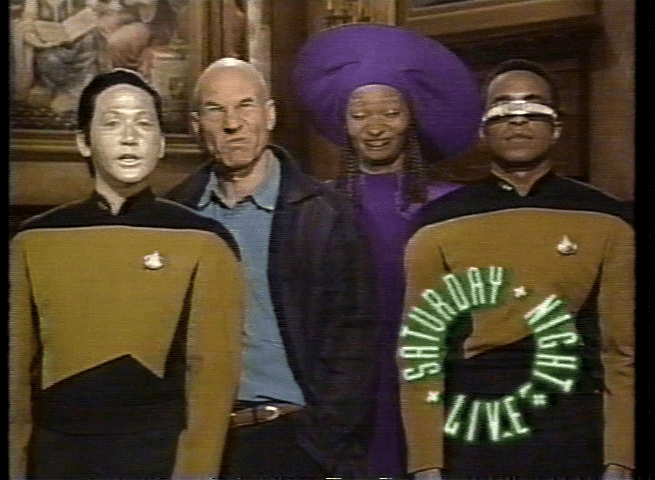
February 17, 2021: Patrick Stewart (Star Trek: The Next Generation, X-Men) mocking “Data” when he promoted Saturday Night Live.
Original Airdate: February 1994.
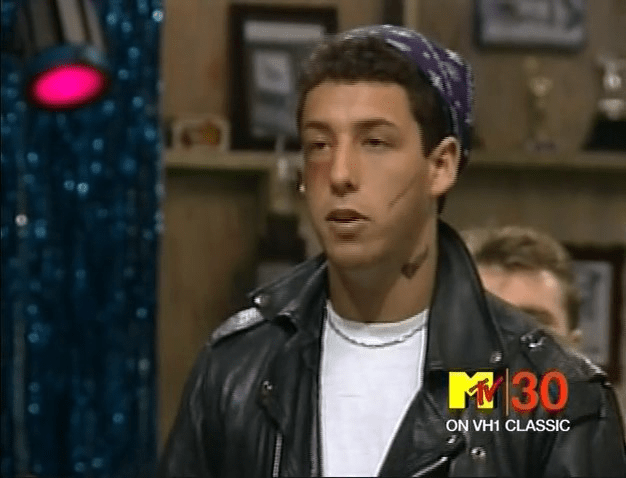
February 18, 2021: Adam Sandler (Saturday Night Live) appeared on MTV’s Remote Control (1987-1990).
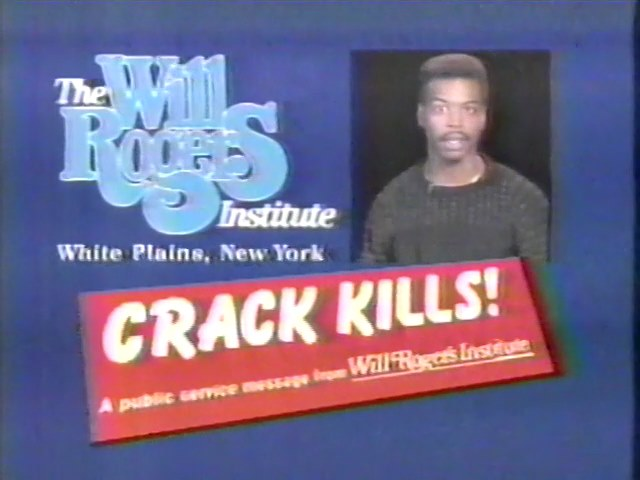
February 19, 2021: LeVar Burton (Reading Rainbow, Star Trek: The Next Generation) in a public service announcement.
Original Airdate: September 1987.
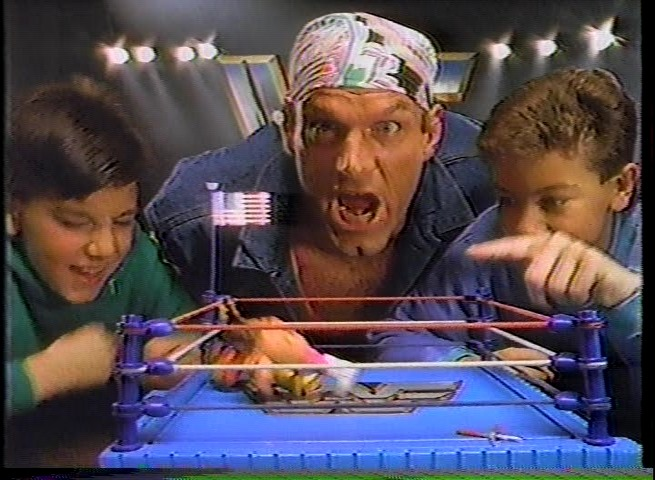
February 20, 2021: Jesse Ventura, professional wrestler, actor, and former Minnesota governor, promoting WWF action figures.
Original Airdate: November 1990.
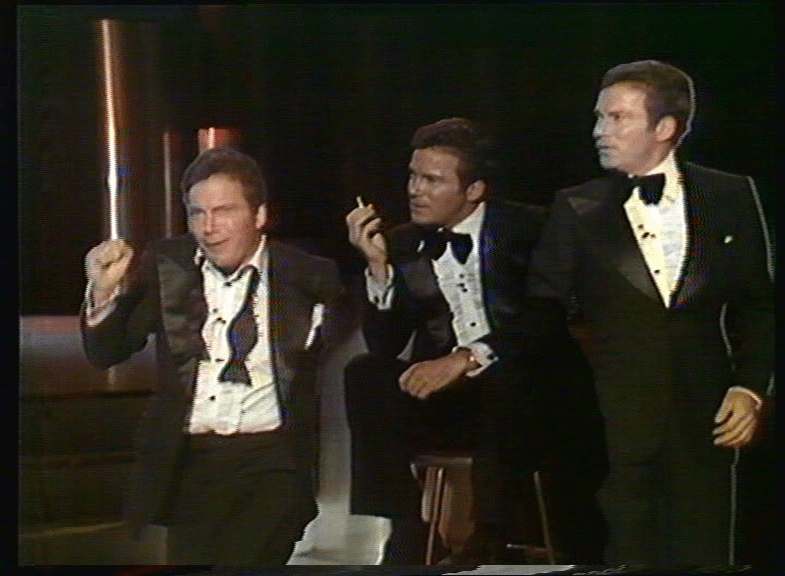
February 21, 2021: William Shatner’s infamous performance of Elton John’s Rocket Man (I Think It’s Going to Be a Long, Long Time) at the Science Fiction Film Awards (1978).
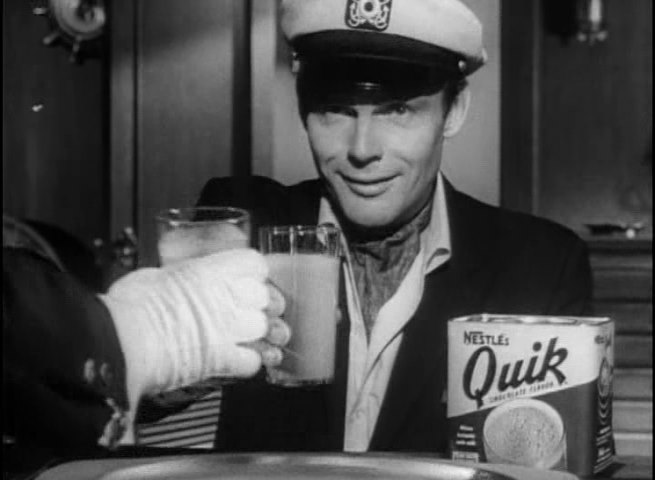
February 22, 2021: In 1965, Adam West (ABC’s Batman) enjoys a glass of Nestle Quik.
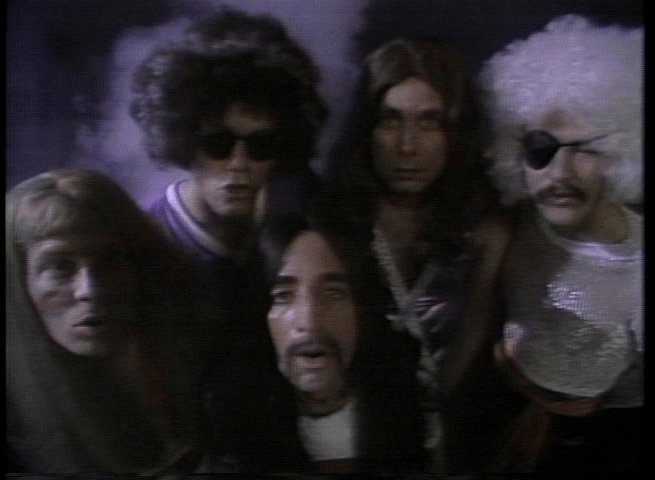
February 23, 2021: A few years before This Is Spinal Tap(1984), Michael McKean, Christopher Guest, and Harry Shearer appeared on Rob Reiner’s TV Show (1979). Reiner’s comedy special featured the group in a parody of NBC’s concert program The Midnight Specialwith Wolfman Jack.
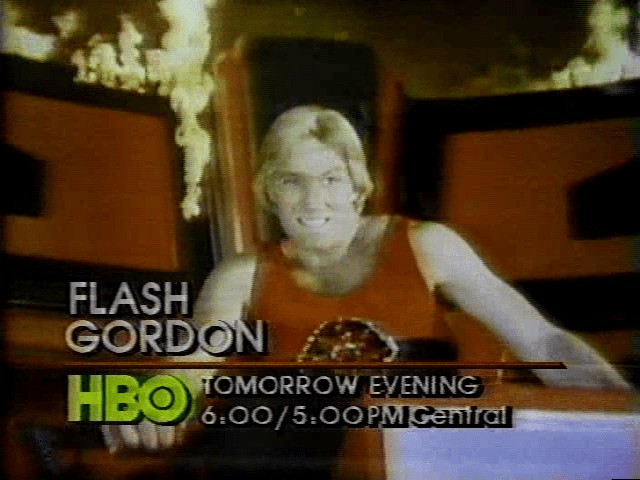
February 24, 2021: Flash Gordon (1980) promises to “save every one of us” in a promotional commercial on HBO. Original Airdate: December 1982.
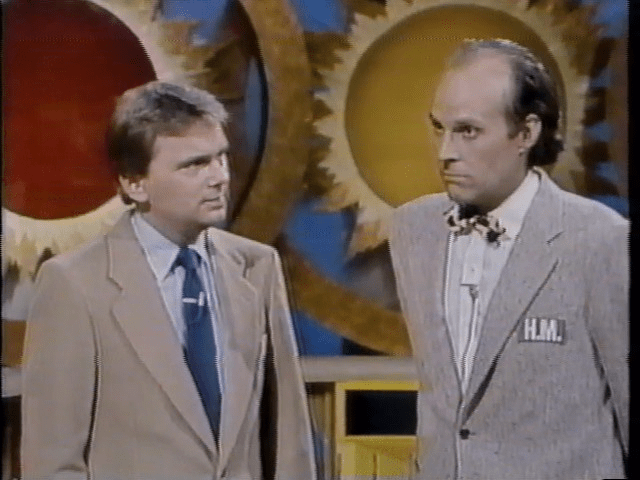
February 25, 2021:The A-Team episode when H.M. Murdock (Dwight Schultz) was a contestant on Wheel of Fortune. Special Guest Star: Pat Sajak.
Original Airdate: January 14, 1986.
February 26, 2021: Seann William Scott (American Pie) ignores the “purple stuff” and goes straight for the Sunny Delight.
Original Airdate: December 1996.
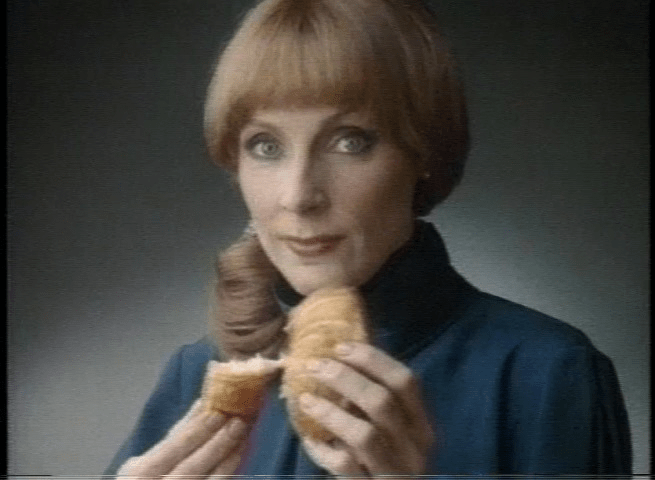
February 27, 2021: Gates McFadden (Star Trek: The Next Generation) as a French-born expert of pastries for Sara Lee Croissants.
Original Airdate: April 1985.
February 28, 2021: Tanya Roberts (The Beastmaster, That ’70s Show) talks about headaches for Excedrin over-the-counter pain reliever.
Original Airdate: December 1976.
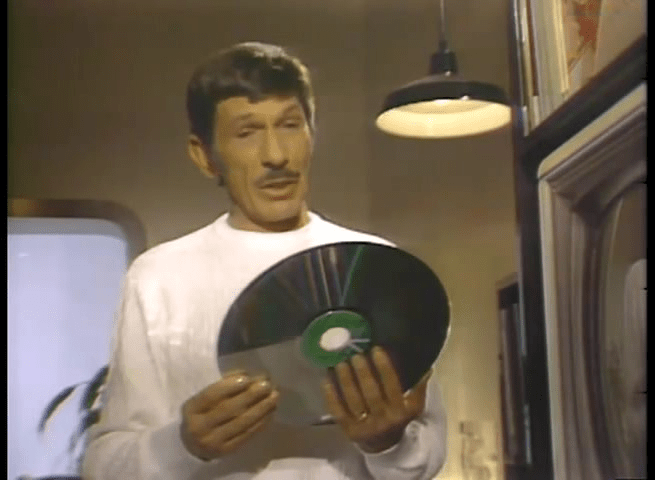
March 1, 2021: Leonard Nimoy demonstrates the Magnavision LaserDisc Player (1981).
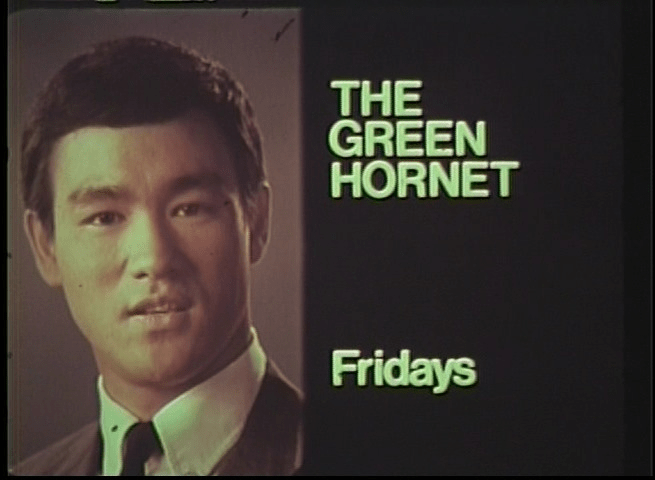
March 2, 2021: Bruce Lee promoting ABC’s The Green Hornet (1966).
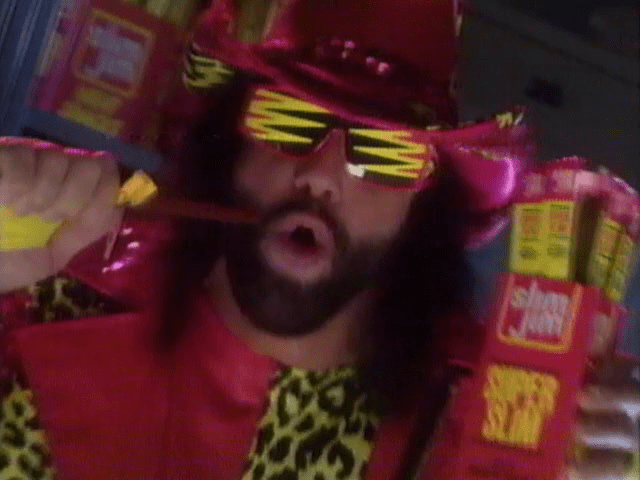
March 3, 2021: “Macho Man” Randy Savage, master of Macho Madness and highly articulated for Power Posing, loves Slim Jim beef snacks.
Original Airdate: April 1995.
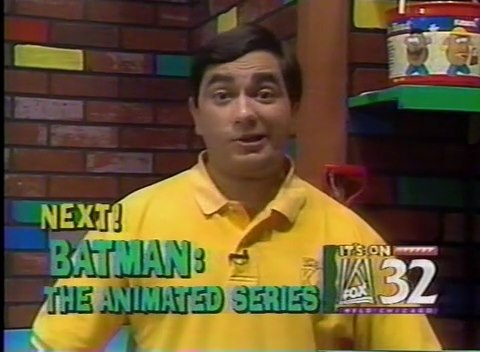
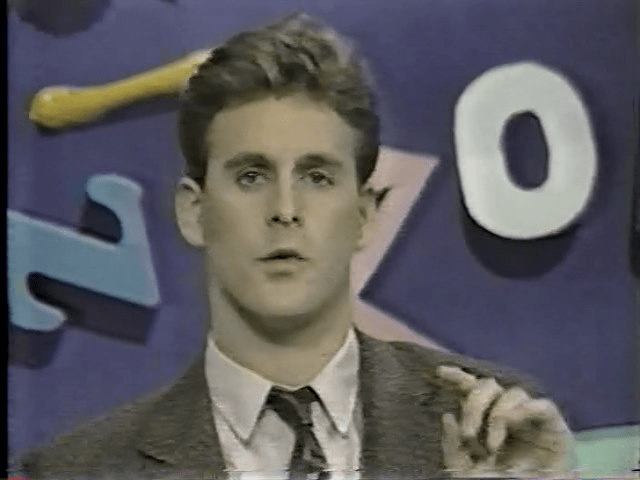
March 4, 2021: Rich Koz (Svengoolie) hosted the Koz Zone. The weekday show featured host segments and sketches in between syndicated cartoons.
Original Airdate: September 1992.
March 5, 2021: Joel Hodgson (Mystery Science Theater 3000) performs stand-up comedy on NBC’s Saturday Night Live.
Original Airdate: November 12, 1983.
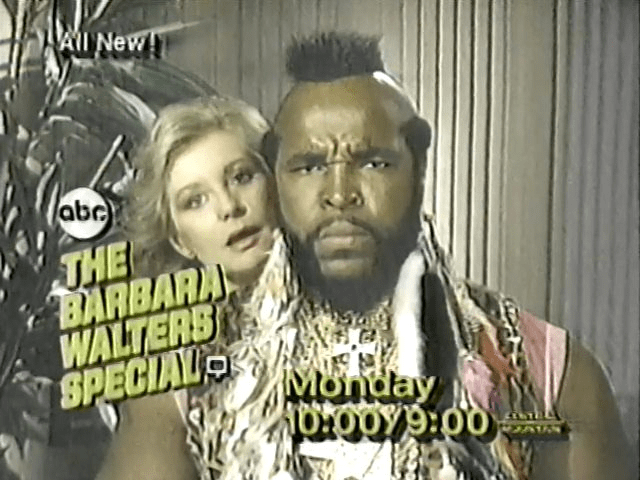
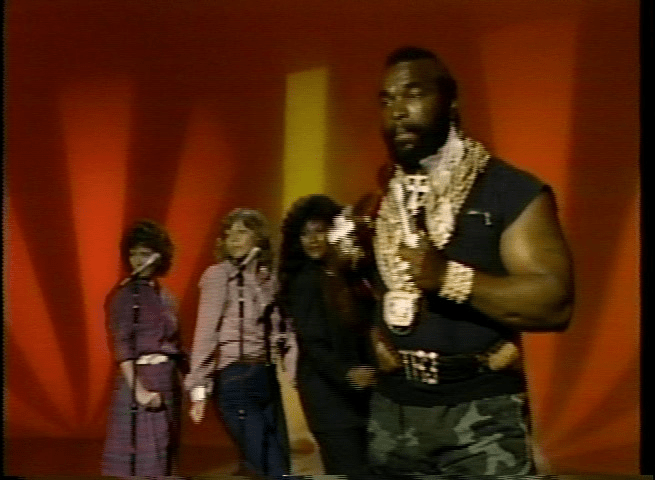
March 6, 2021: Mr. T pities the fool who missed his interview with Barbara Walters. Original Airdate: February 1984.
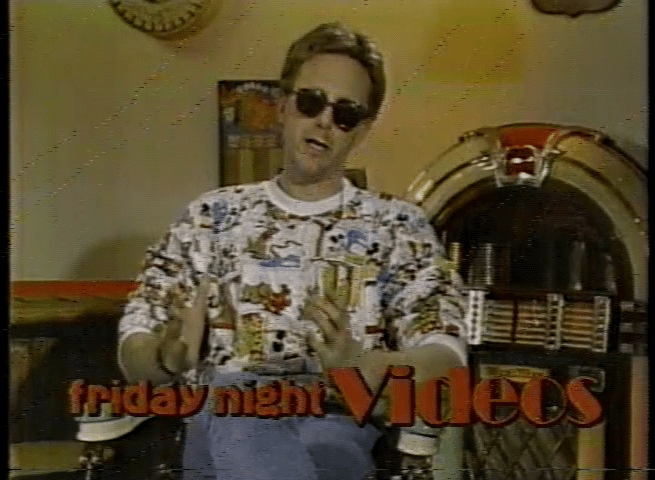
March 7, 2021: Harry Anderson (Night Court) was the guest host for NBC’s Friday Night Videos. Original Airdate: November 1, 1985.
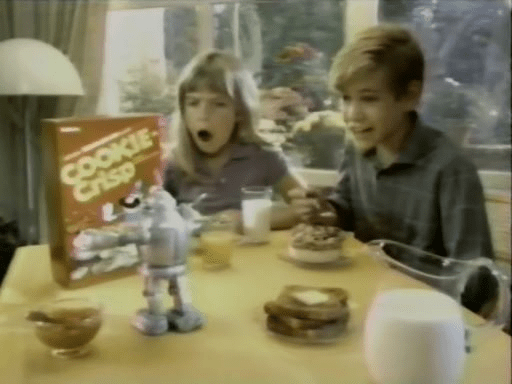
March 8, 2021: Mark-Paul Gosselaar (Saved by the Bell) eating a well-balanced and nutritious breakfast. Original Airdate: June 1986.
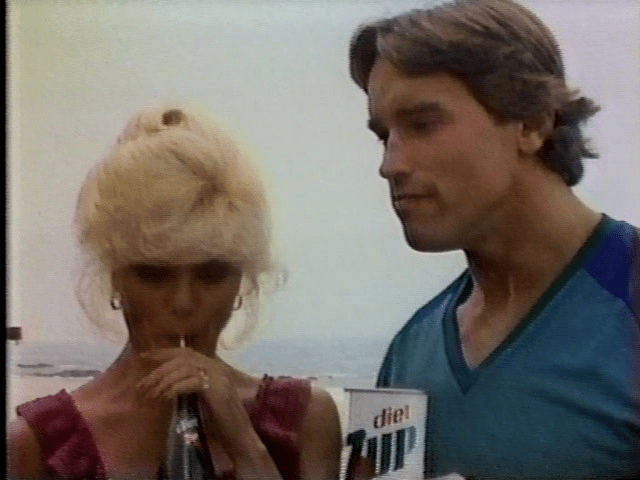
March 9, 2021: Loni Anderson (WKRP in Cincinnati) and Arnold Schwarzenegger (professional actor, former California governor) enjoy Diet 7-Up, their favorite low-calorie beverage. Original Airdate: July 1982.
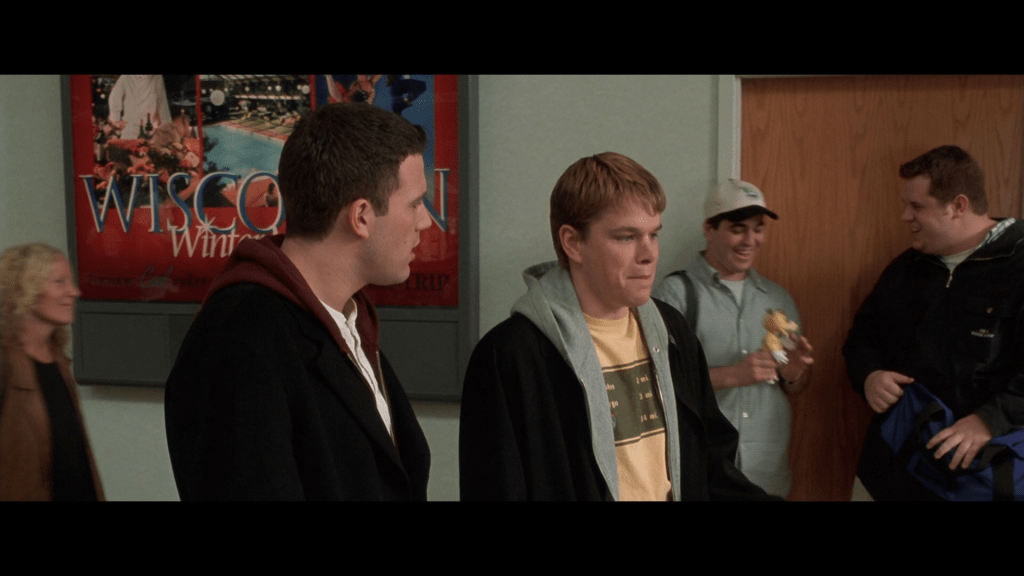
March 10, 2021: Brian Quinn (Impractical Jokers) is the Man Holding Mooby Figurine, an uncredited role, in Kevin Smith’s Dogma (1999).
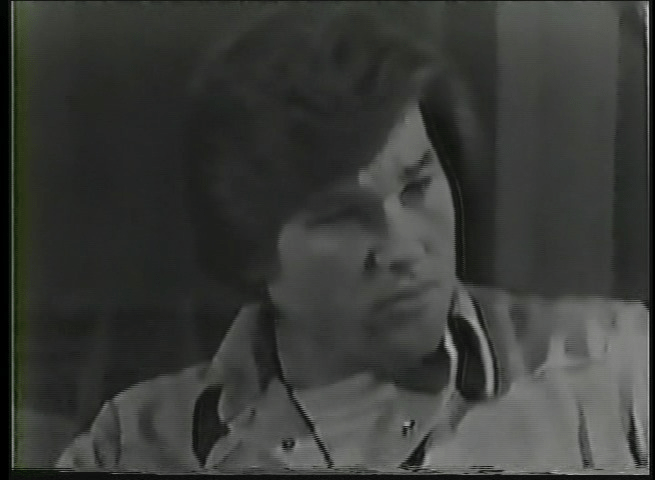
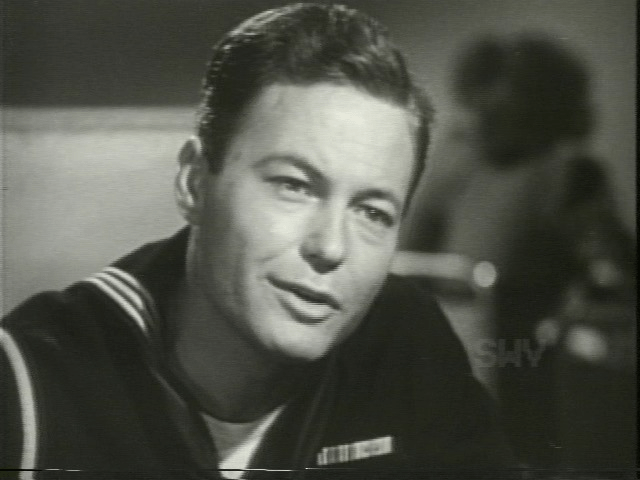
March 11, 2021: Kurt Russell, known as a former child actor at the time, auditioned for the role of Han Solo in Star Wars (1977).
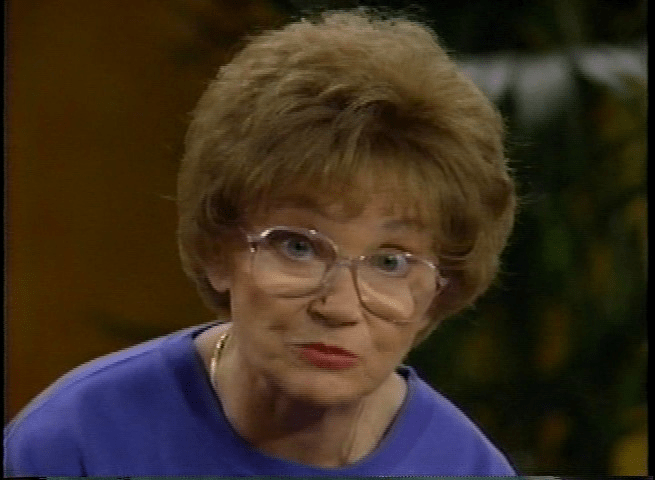
March 12, 2021: Estelle Getty (The Golden Girls) starred in a workout video called Young at Heart – Body Conditioning with Estelle (1993).
March 13, 2021: Fred Savage (The Wonder Years) enjoying a Fruit Corners Fruit Bar. Original Airdate: December 1986.
March 14, 2021: Alfonso Ribeiro (The Fresh Prince of Bel-Air, America’s Funniest Home Videos) performed as the Tap Dance Kid at the Macy’s Thanksgiving Day Parade. Original Airdate: November 24, 1983.
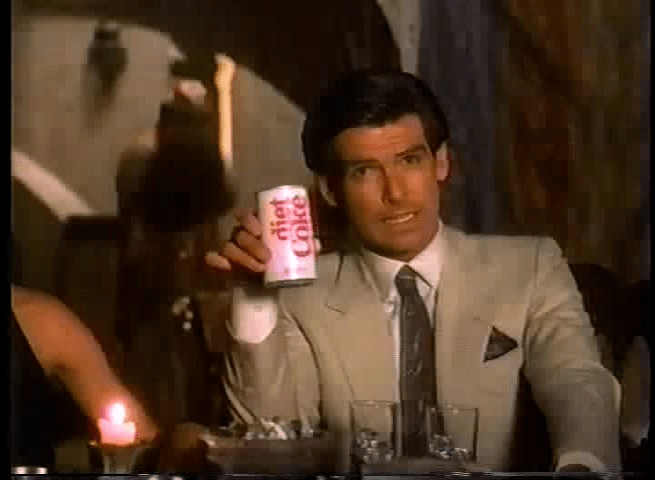
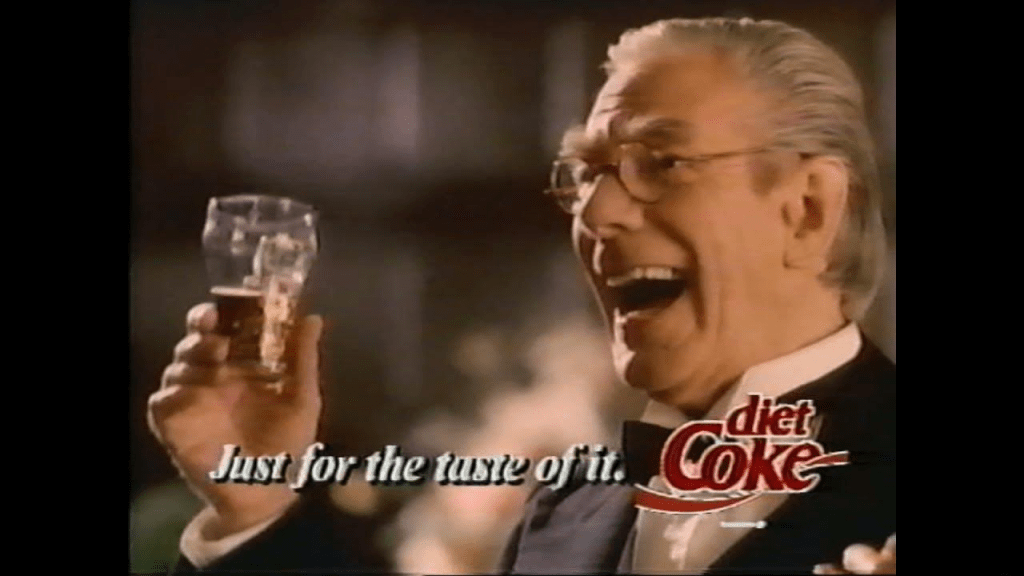
March 15, 2021: Pierce Brosnan (Remington Steele, GoldenEye) is a suave gentleman in a Diet Coke commercial. Original Airdate: January 1987.
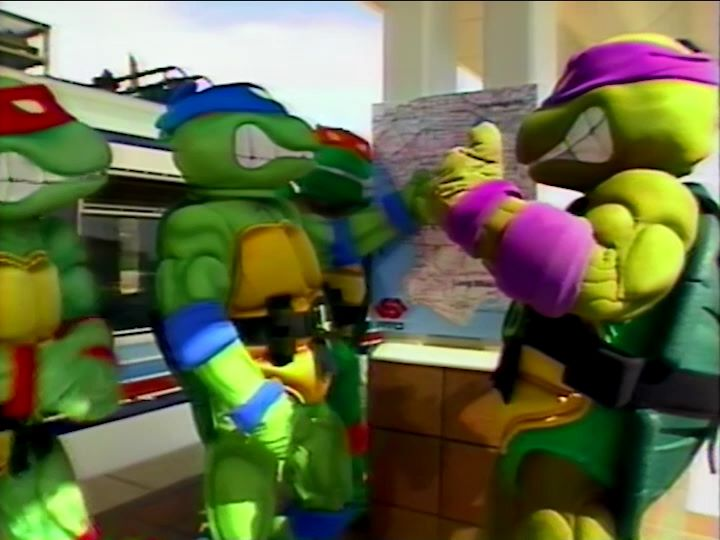
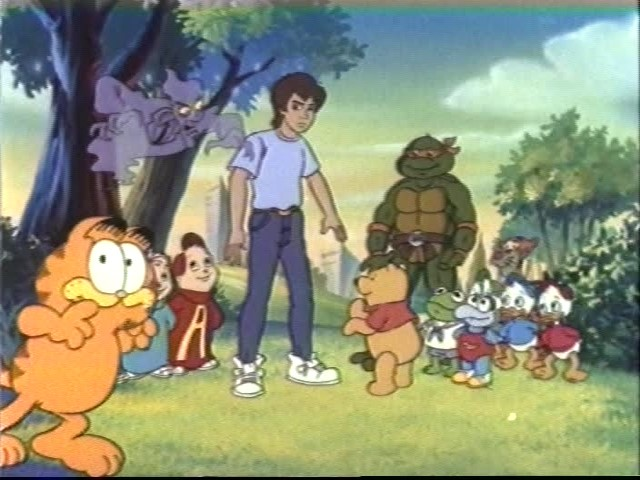
March 16, 2021: In 1990, the Teenage Mutant Ninja Turtles save the city from Gridlock. Additionally, the voice talents from the original animated series were used to promote the new Los Angeles rail system.
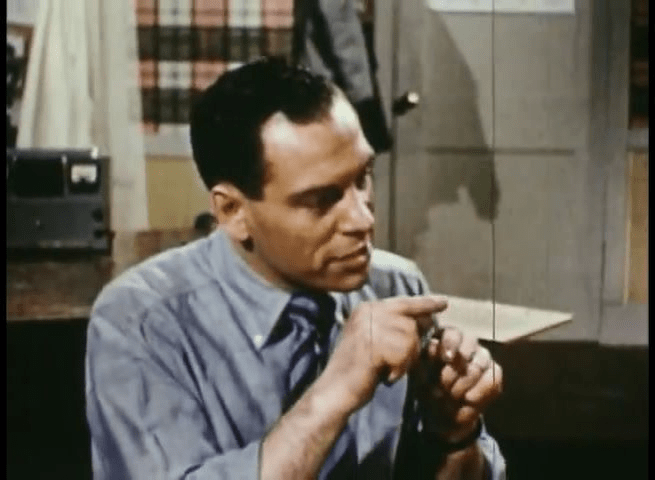
March 17, 2021: Don Herbert is Mr. Wizard, a man who teaches children about science in a fun and creative way. Original Airdate: 1954.
March 18, 2021: In 1980, Corey Feldman (Friday the 13th: The Final Chapter) prefers Milk Mate Real Chocolate Syrup to other brands.
March 19, 2021: In 1980, C-3PO and R2-D2 takes a sick boy to “a galaxy far, far away” when he opens a specially marked box of Puffs tissues.
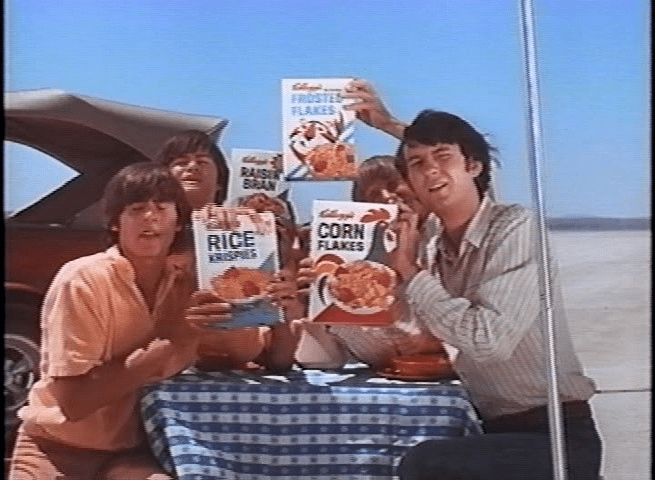
March 20, 2021: In 1966, The Monkees consume Kellogg’s Cereal in the middle of nowhere to appease their advertisers.
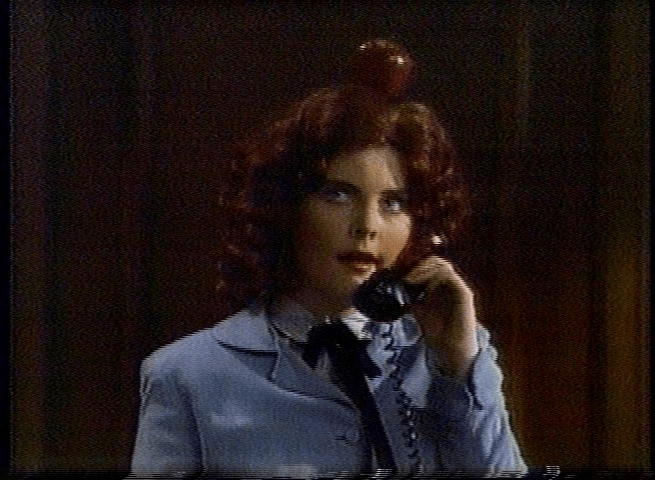
March 21, 2021: In 1990, Arleen Sorkin (the original voice of Harley Quinn) portrayed an eccentric restaurateur on NBC’s Days of Our Lives.
March 22, 2021: Efren Ramirez (Napoleon Dynamite) delivers a pizza to a dinosaur in Tammy and the T-Rex (1994).
Additionally, Denise Richards (Wild Things, Starship Troopers) and Paul Walker (The Fast and the Furious) played the titular characters.
March 23, 2021: Justine Bateman (Family Ties) and Jason Bateman (Arrested Development) answer the tough questions about dating in the How Can I Tell if I’m Really in Love? (1986) educational video.
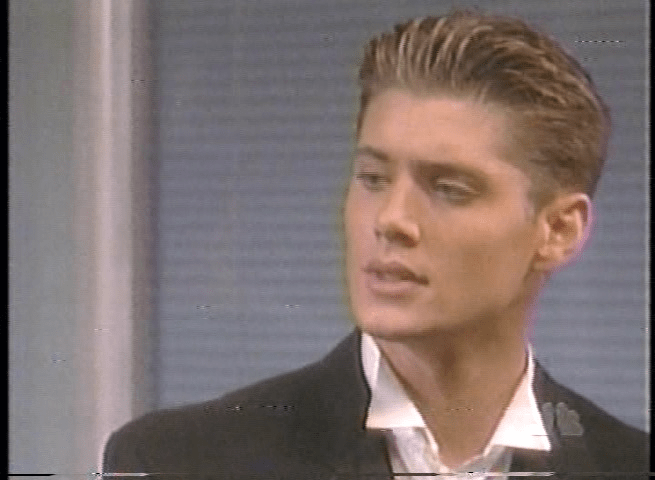
March 24, 2021: In 1998, Jensen Ackles (Supernatural) portrayed Eric Brady, twin brother of Sami Brady (Alison Sweeney, host of NBC’s The Biggest Loser) on NBC’s Days of Our Lives.
March 25, 2021: In 1985, Dave Coulier (Full House) hosted the fictional sketch comedy news program Out of Control on Nickelodeon.
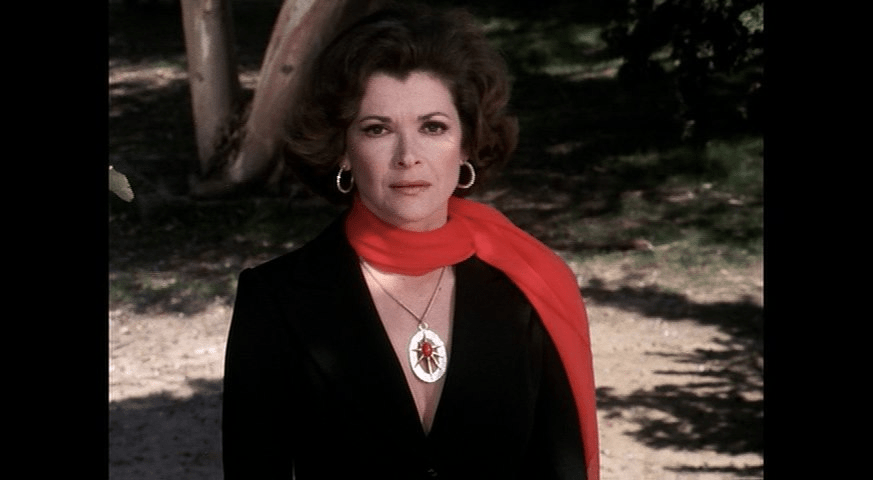
March 26, 2021:Jessica Walter (Arrested Development) portrayed the villainous Morgan LeFey in CBS’s Doctor Strange (1978).
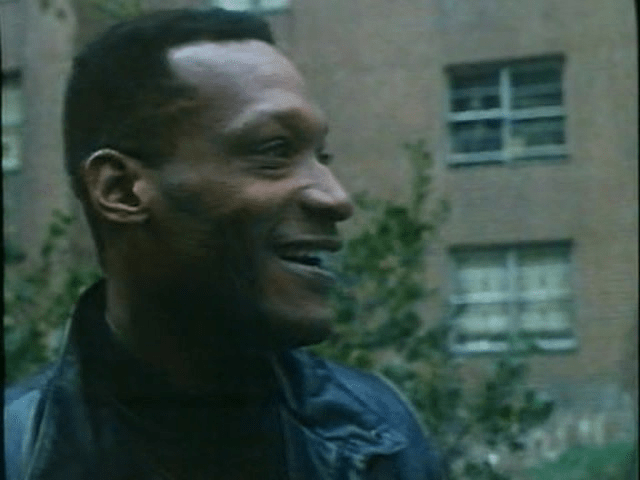
March 27, 2021: Tony Todd (Candyman) plays a gang leader who controls and terrorizes a public housing apartment building in Enemy Territory (1987). Additionally, the film features Ray Parker, Jr. (Ghostbusters) as a telephone company repairman who fights back against Todd’s gang.
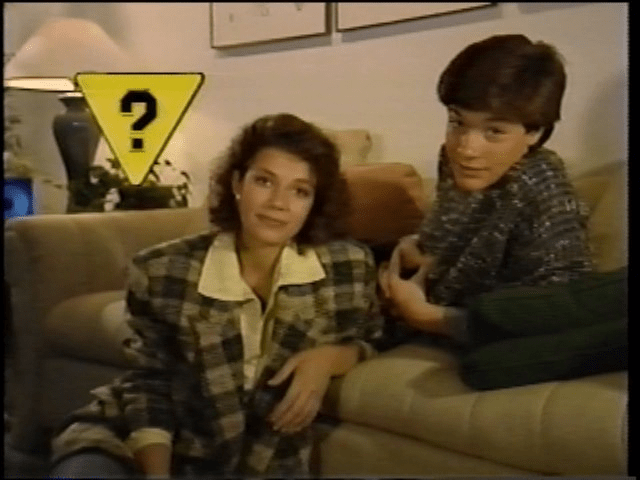
March 29, 2021: In 1990, Jennifer Aniston (Friends) and Charlie Schlatter (Police Academy 7: Mission to Moscow) portrayed siblings Jeannie and Ferris Bueller, respectively, in the short-lived NBC sitcom based on Ferris Bueller’s Day Off (1986).
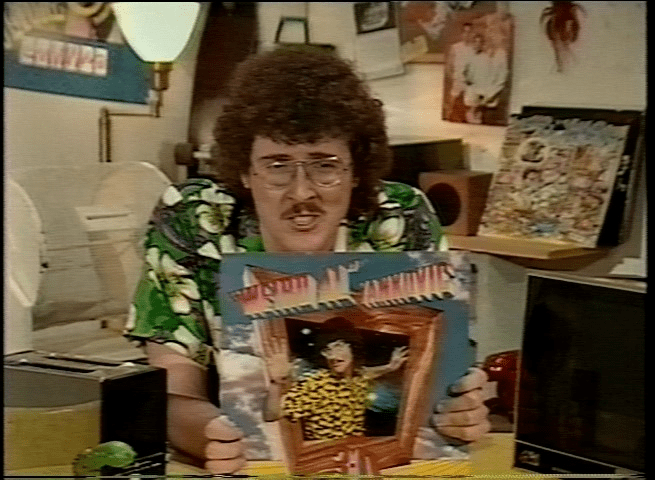
March 30, 2021: “Weird Al” Yankovic in a dress rehearsal before officially hosting the first AL-TV broadcast to promote his album on MTV.
Original Airdate: February 22, 1984.
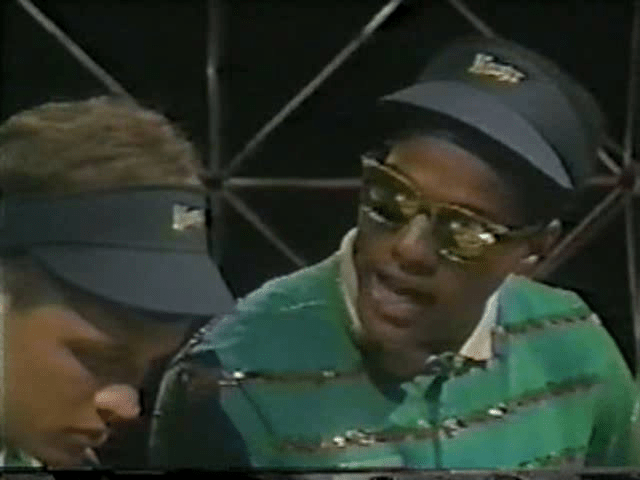
March 31, 2021: Vanilla Ice (Teenage Mutant Ninja II: Secret of the Ooze) wants everyone to “drop that zero and get with the hero” in Cool as Ice (1991).
April 1, 2021: Alfred Pennyworth (Michael Gough) sends the Dark Knight to the grocery store for his favorite beverage. The Diet Coke commercial was included on the original home video release of Tim Burton’s Batman (1989).
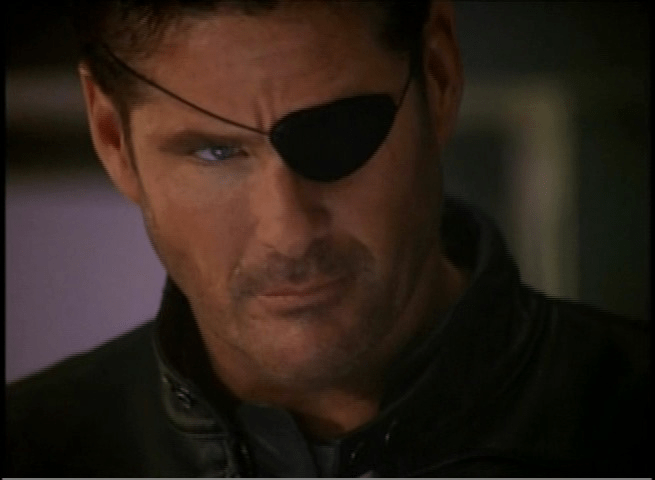
April 2, 2021: David Hasselhoff (Knight Rider, Baywatch) returns to active duty to stop a group of evil terrorists in the made-for-television movie Nick Fury: Agent of S.H.I.E.L.D. (1998).
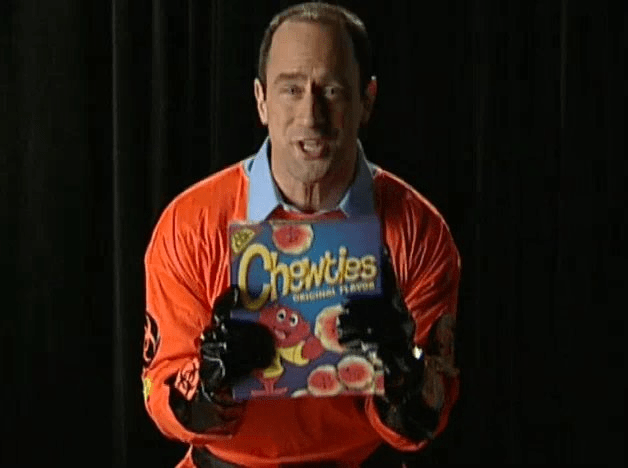
April 3, 2021: Christopher Meloni (Law & Order: SVU) is the Chewties Spokesman on MTV’s Wonder Showzen. Original Airdate: April 22, 2005.
April 4, 2021: Michael Chiklis (The Shield) made his film debut as John Belushi in the controversial biopic Wired (1989).
April 5, 2021: P.J. Soles (Halloween, Stripes) enjoying a piece of fried chicken in a 7-UP commercial. Original Airdate: March 1978.
April 6, 2021: In 1999, Mitch Hedberg (actor, comedian) wrote, starred, and directed the still-unreleased film Los Enchiladas!
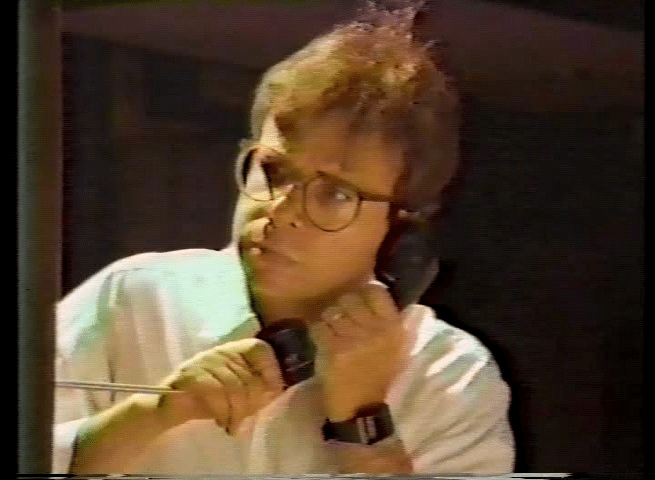
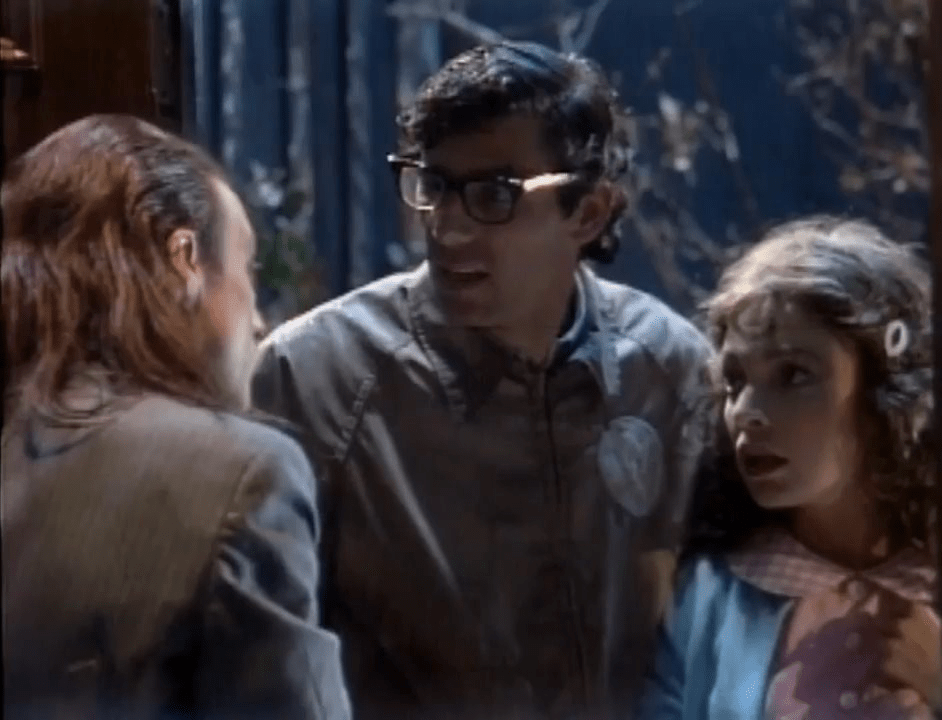
April 7, 2021: In 1989, Rick Moranis (SCTV,Little Shop of Horrors) attempts to use the pay phone. Instead, Bobby Brown distracts him in the Ghostbusters II‘s On Our Own music video.
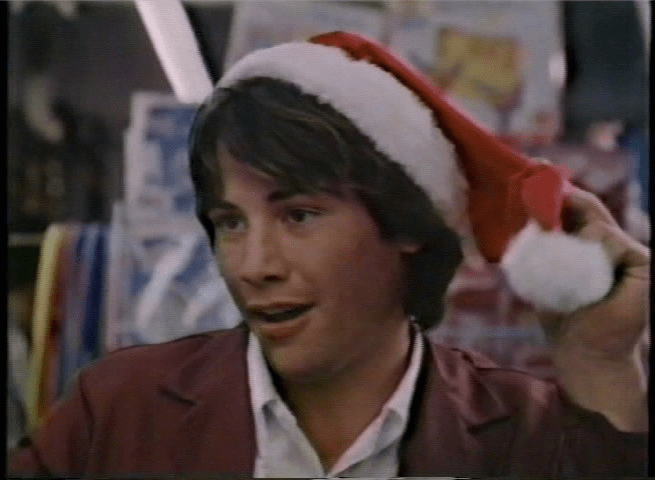
April 8, 2021: Keanu Reeves (The Matrix) appeared in NBC’s Babes in Toyland (1986), a made-for-television Christmas musical.
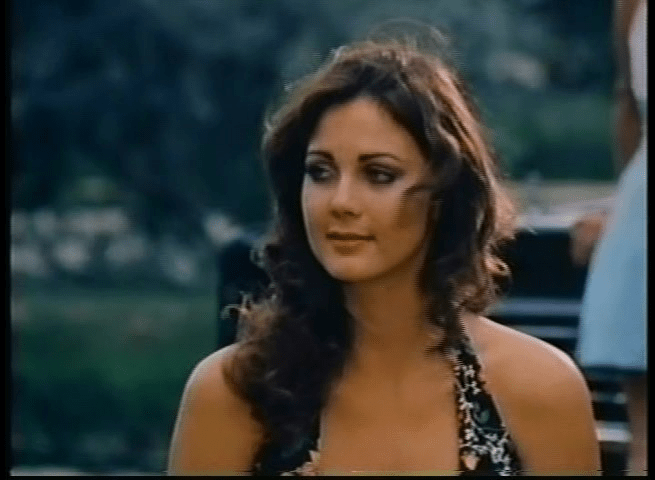
April 9, 2021: Lynda Carter (TV’s Wonder Woman) had her big screen debut in the crime drama film Bobby Jo and the Outlaw (1976).
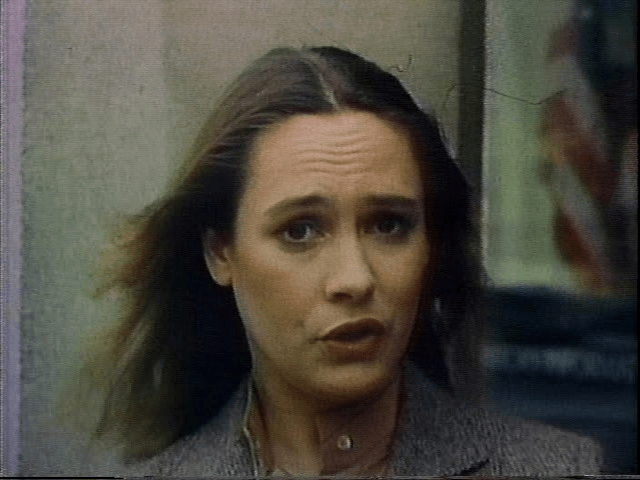
April 10, 2021: Laurie Metcalf (Roseanne, The Big Bang Theory) holds the record for the shortest-tenured actor to appear on-screen as a featured cast member for NBC’s Saturday Night Live. Metcalf’s only appearance was a prerecorded segment for Weekend Update.
Original Airdate: April 11, 1981.
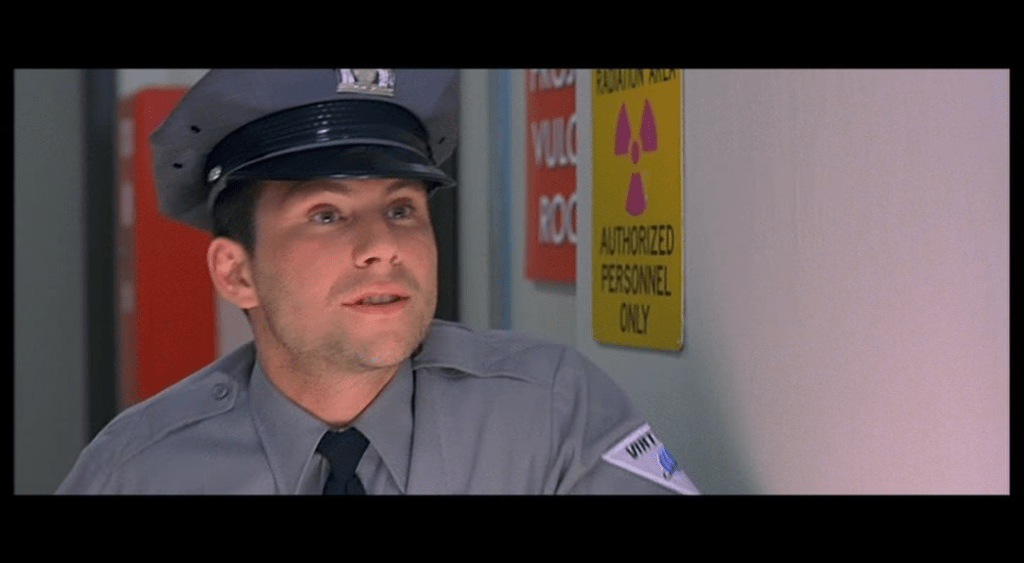
April 11, 2021: Christian Slater (Heathers, Robin Hood: Prince of Thieves) had a cameo appearance as a security guard in Austin Powers: International Man of Mystery (1997). Unfortunately, his two scenes were only included in the European version of the film.
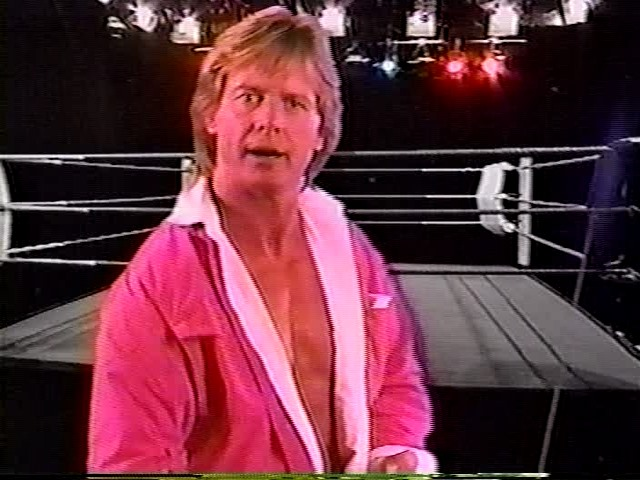
April 12, 2021: Roddy Piper (They Live) teaches children to exercise and stay away from drugs in the Fighting Fit (1992) educational video.
April 13, 2021: Jack Black (actor, comedian, and musician) is visibly upset after the Mariner killed his friend in Waterworld (1995).
April 14, 2021: Huey Lewis (singer, songwriter, and actor) judges Marty McFly’s rendition of The Power of Love to be “too darn loud” in Back to the Future (1985).
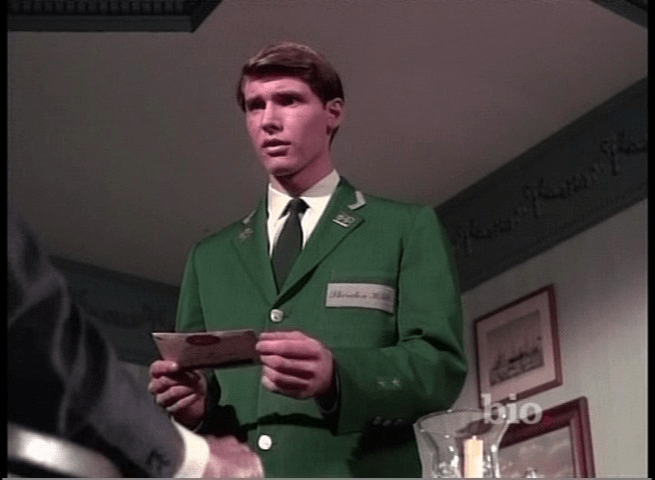
April 15, 2021: Harrison Ford (Star Wars) plays a bellhop in his first known movie role in Dead Heat on a Merry-Go-Round (1966).
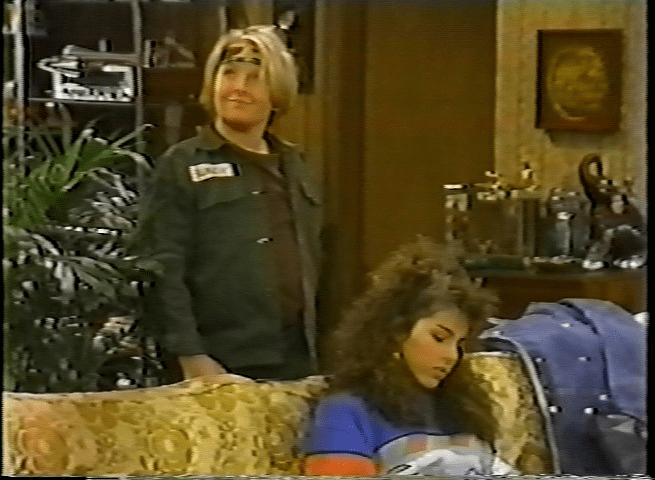
April 16, 2021: In 1986, Hunter Carson (Invaders From Mars) and Tina Caspary (Mac and Me) were the original Bundy children on Married…With Children. After the pilot episode was filmed, their scenes were reshot with David Faustino and Christina Applegate.
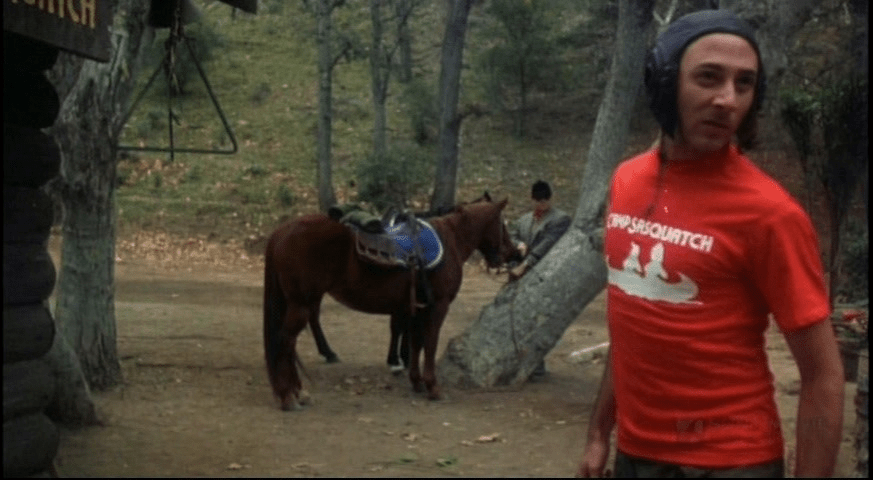
April 17, 2021: Paul Reubens (Pee-Wee Herman) as a worker at Camp Sasquatch in Meatballs Part II (1984).
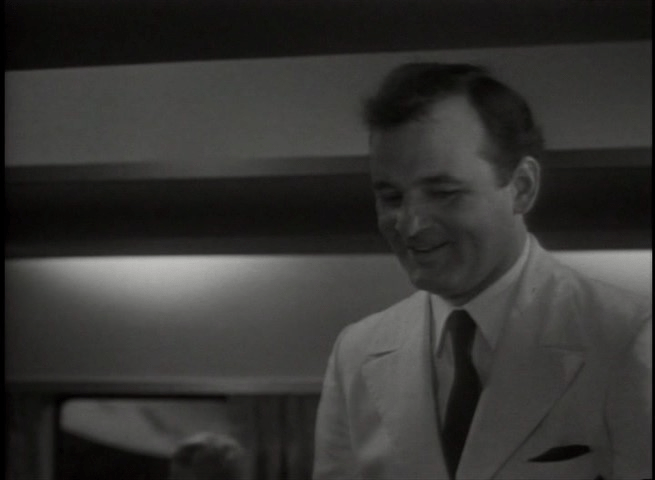
April 18, 2021: Bill Murray appeared in Tom Schiller’s science-fiction comedy film Nothing Lasts Forever (1984). The movie was shelved by the studio and never released in theaters or on home video. In 1994, the film was shown on international television channels. Eventually, in 2015, Turner Classic Movies showed the film on American cable television.
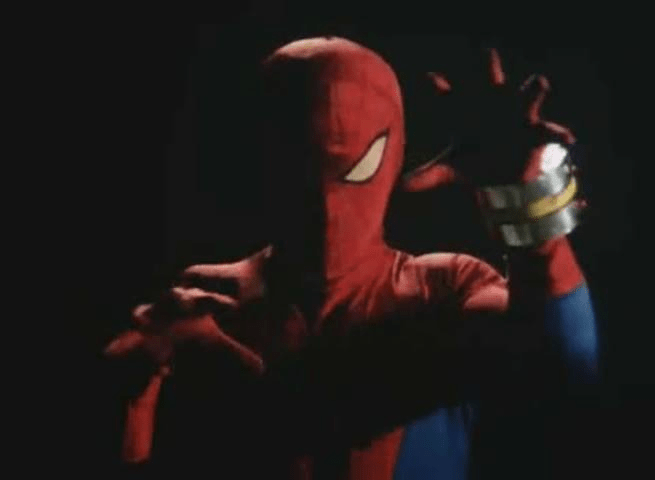
April 19, 2021:Supaidāman (1978) was a Japanese live-action television series produced by the Toei Company. The show was loosely based on the Marvel Comics character.
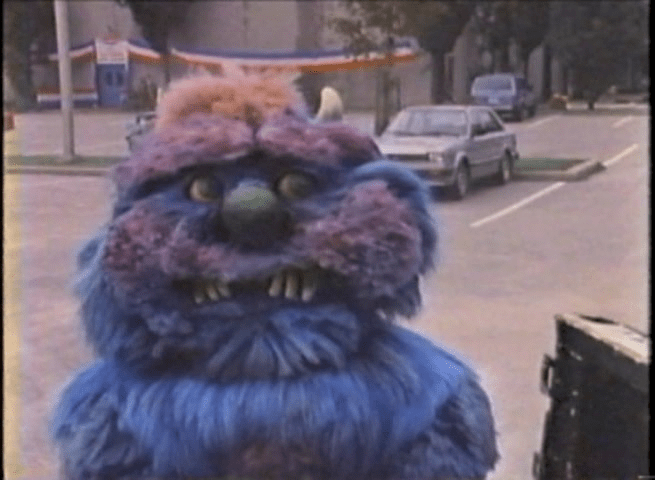
April 20, 2021: A boy finds himself turning into a furry creature whenever he gets hungry in the direct-to-video My Pet Monster (1986).
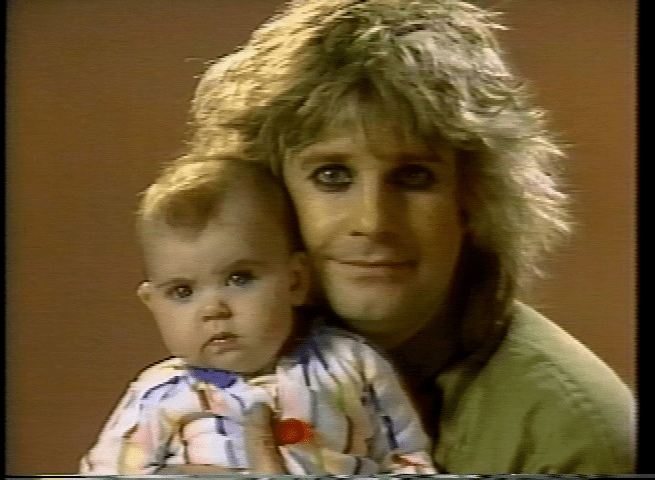
April 21, 2021: John Michael “Ozzy” Osbourne with his daughter Aimee in a promotional video for CBS Records. Aimee is the Osbourne child who declined to be a part of the family’s reality show on MTV.
Original Airdate: April 1984.
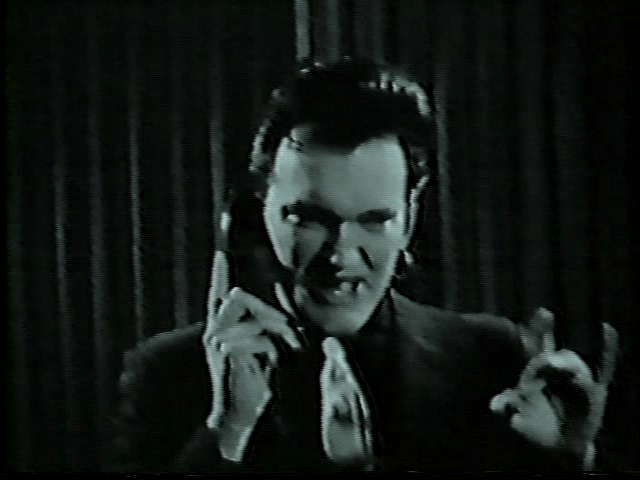
April 22, 2021: Quentin Tarantino was the director, editor, co-writer, co-producer, and featured actor of the partially lost black-and-white amateur film My Best Friend’s Birthday (1987). The film was made while Tarantino was working at a video store in California.
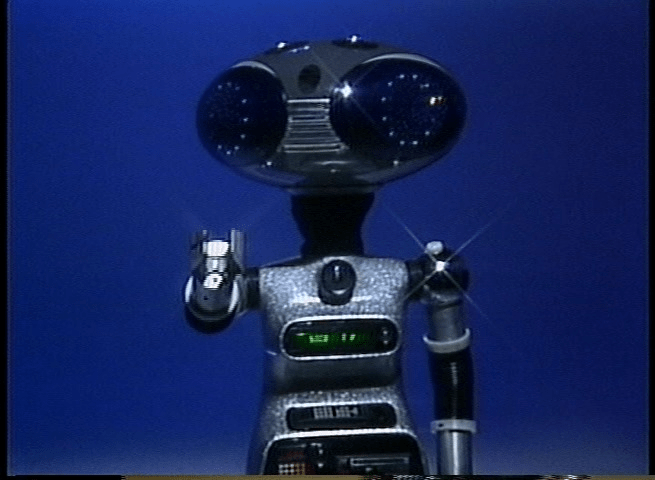
April 23, 2021: SICO introduces music videos for the Rocky IV (1985) soundtrack. Sylvester Stallone revealed the upcoming Director’s Cutwill remove Paulie’s robot from the film. Stallone stated that “The robot is going to the junkyard forever, no more robot.”
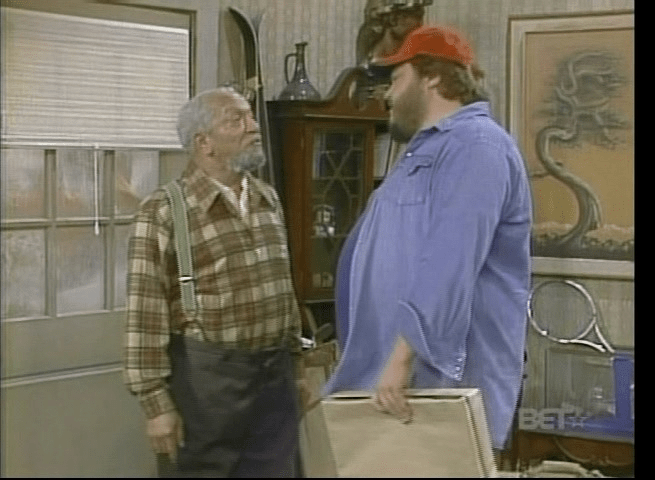
April 24, 2021: Redd Foxx and Dennis Burkley (King of the Hill) become roommates in Sanford (1980). The series was the rarely seen continuation of Sanford and Son (1972-1978).
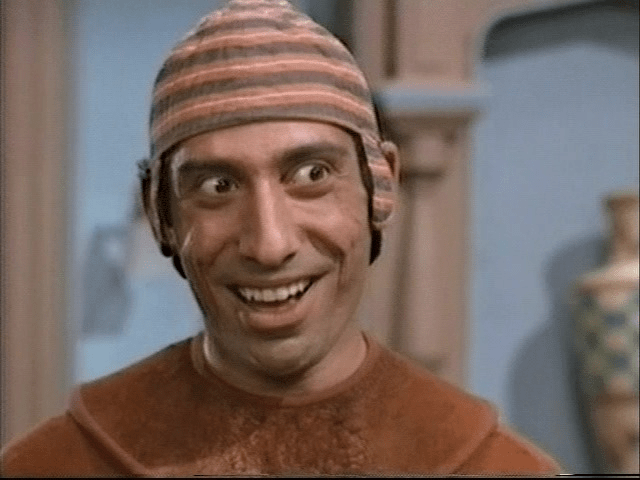
April 25, 2021: Sid Haig (House of 1,000 Corpses) as King Tut’s Royal Apothecary on ABC’s Batman. Original Airdate: September 28, 1966.
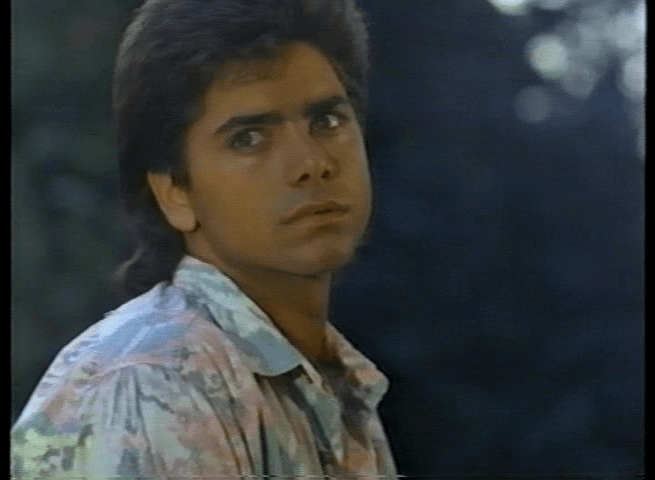
April 26, 2021: John Stamos (Full House) must avenge his father’s death by fighting Gene Simmons (KISS) in Never Too Young to Die (1986).
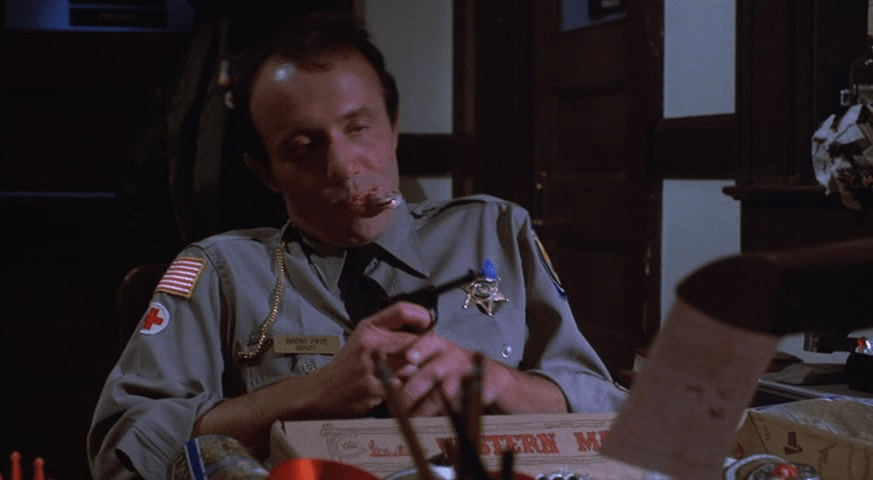
April 27, 2021: John Bloom (Joe Bob Briggs) portrays a deputy in the first part of ABC’s The Stand miniseries. Original Airdate: May 8, 1994.
April 28, 2021: Christine McGlade appeared on Turkey Television (1985-1986). The Canadian series was created for Nickelodeon in response to the popularity of You Can’t Do That on Television (1979-1990).
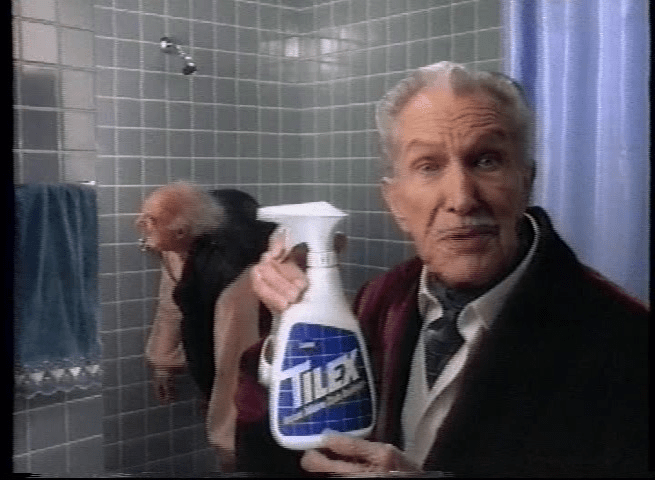
April 29, 2021: In 1988, Vincent Price, legendary movie icon, wanted to help you escape the torture of scrubbing mildew.
April 30, 2021: DeForest Kelley (Star Trek) appeared in Time to Kill (1945). The educational short film was produced by the American armed forces. The film featured George Reeves (Adventures of Superman) and Betty White (The Golden Girls) in supporting roles.
May 1, 2021: In 1989, the Duke of the Grill teaches Bill the Trainee during an official Wendy’s training video. The secret to success includes learning the important Grill Skills Rap. While Dave Thomas, the founder of Wendy’s, introduced the video, no one famous appeared in the segment.
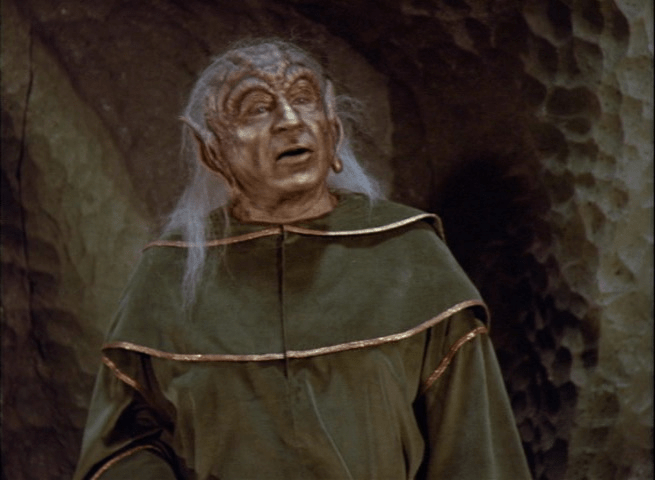
May 2, 2021: Angus Scrimm (Phantasm) portrayed the High Elder in Vampirella (1996). The made-for-television movie was based on Warren Publishing’s black-and-white horror comics magazine.
May 3, 2021: ABC’s Fridays parodied the incoming Reagan administration and The Rocky Horror Picture Show (1975). The late-night comedy series featured Mark Blankfield (The Jerk, Too), Michael Richards (Seinfeld), and Melanie Chartoff (Parker Lewis Can’t Lose).
Original Airdate: December 12, 1980.
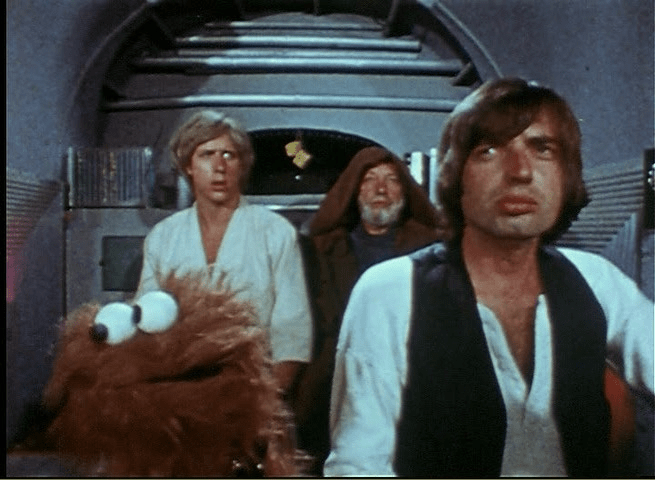
May 4, 2021: Fluke Starbucker, Augie Ben Doggie, Chewchilla, and Ham Salad join forces to rescue Princess Anne-Droid from the evil Empire in Hardware Wars (1978).
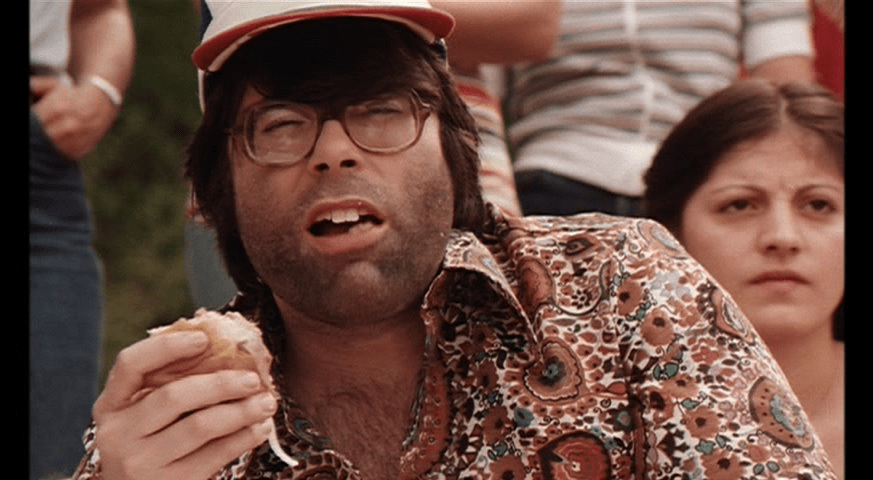
May 5, 2021: Stephen King (Maximum Overdrive) heckles anachronistic medieval motorcycle club members while eating hoagie sandwiches in George A. Romero’s Knightriders (1981).
May 6, 2021: Stanley Burrell (M.C. Hammer) wears a pair of magical dancing shoes to transform into a crime-fighting superhero on ABC’s Hammerman (1991).
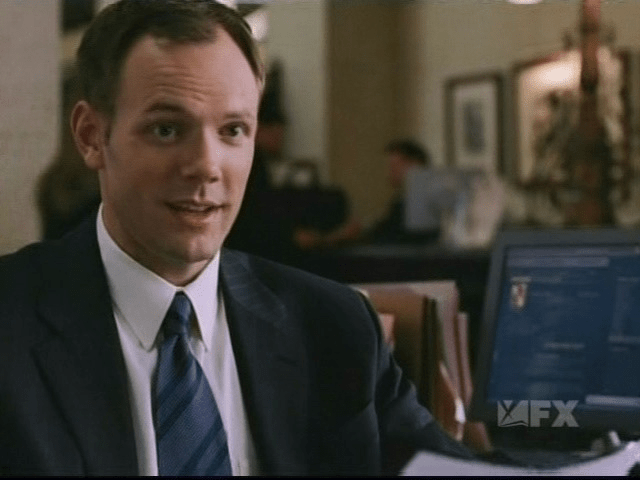
May 7, 2021: Joel McHale (The Soup, Community) denies Aunt May’s mortgage refinance application in Spider-Man 2 (2004).
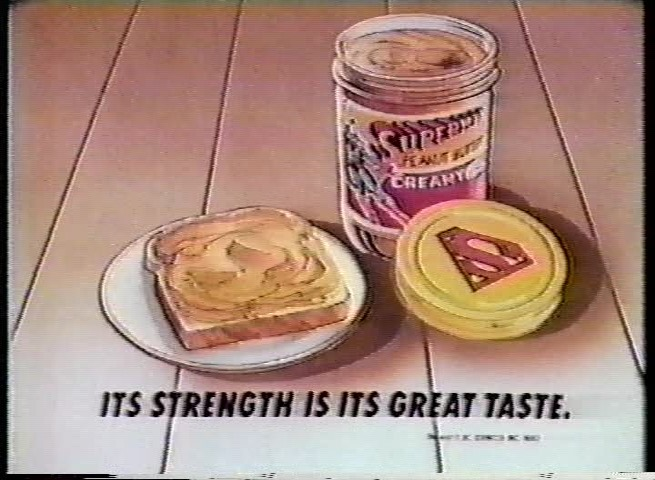
May 8, 2021: In 1982, the Sunnyland Refining Company wanted to compete with Skippy, Peter Pan, and Jif Peanut Butters. Soon, the company made a licensing deal with DC Comics to market their food product with Superman characters.
May 9, 2021: Mr. T sings about treating mothers right in the direct to video educational film Be Somebody…or Be Somebody’s Fool (1984)
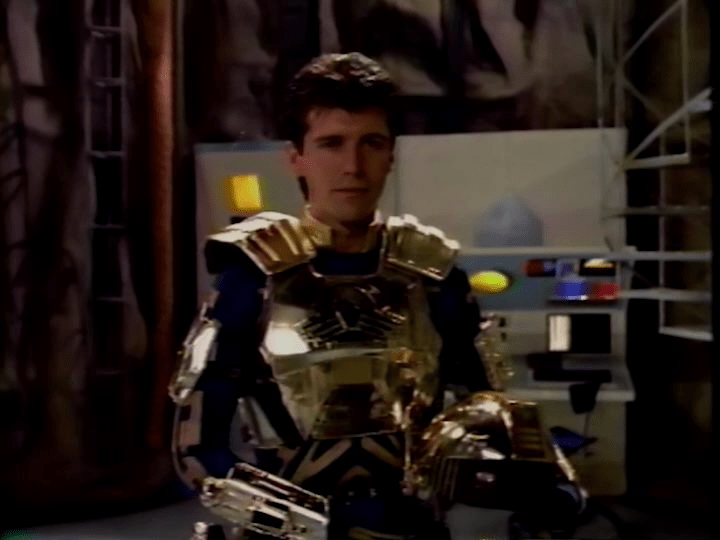
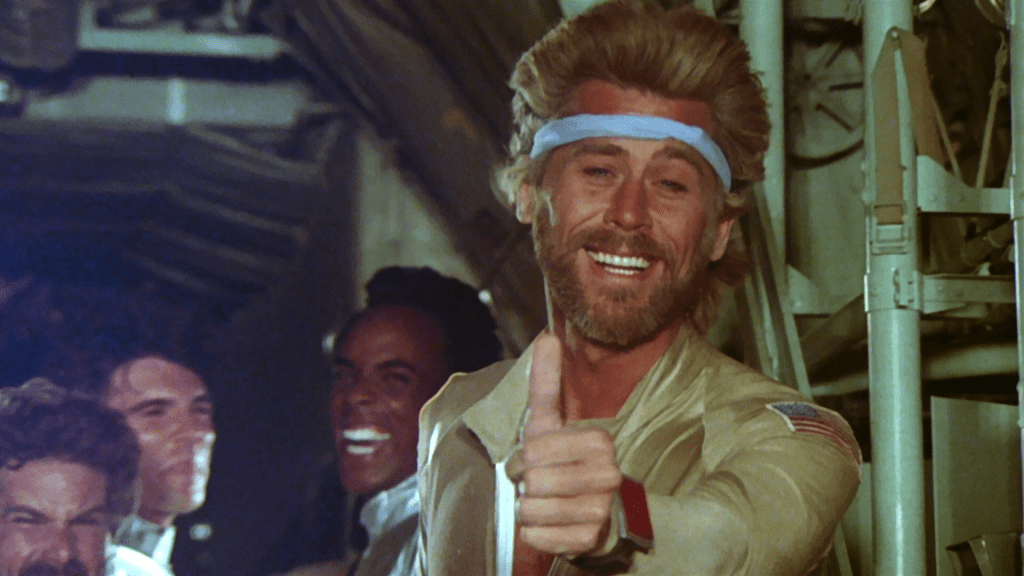
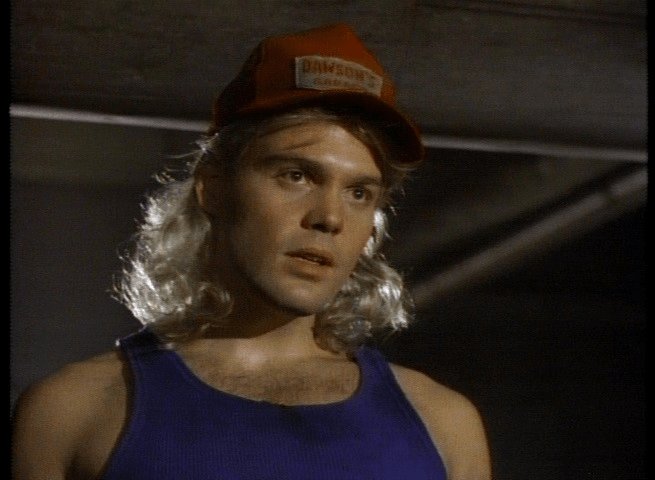
May 10, 2021: Tim Dunigan battles the cyborg tyrant Lord Dread in Captain Power and the Soldiers of the Future (1987).
Originally, Dunigan was hired to portray “Face Man” on NBC’s The A-Team (1983-1987). After the pilot episode was filmed, the network executives decided Dunigan was too young for the role. Quickly, Dirk Benedict (Battlestar Galactica) was hired to replace Dunigan in the series.
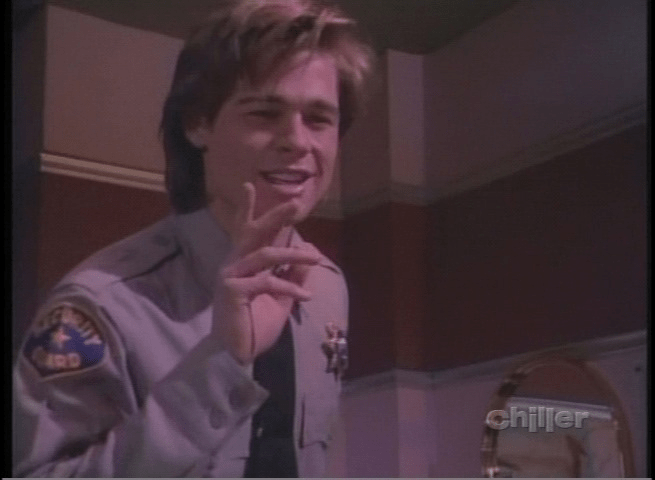
May 11, 2021: Brad Pitt (Inglourious Basterds) appeared on Freddy’s Nightmares. The syndicated television series was based on the A Nightmare on Elm Street film series. Original Airdate: February 4, 1989.
May 12, 2021: In 1995, Keri Russell (Felicity), Rick Gomez (The Adventures of Pete and Pete), Jim Breuer (Saturday Night Live), and Andrew Lowery (My Boyfriend’s Back) appeared in the unaired pilot episode of Clerks. Allegedly, Kevin Smith was in the middle of production for Mallrats (1995), so he did not know about the failed attempt to turn his previous movie into a network-friendly sitcom.
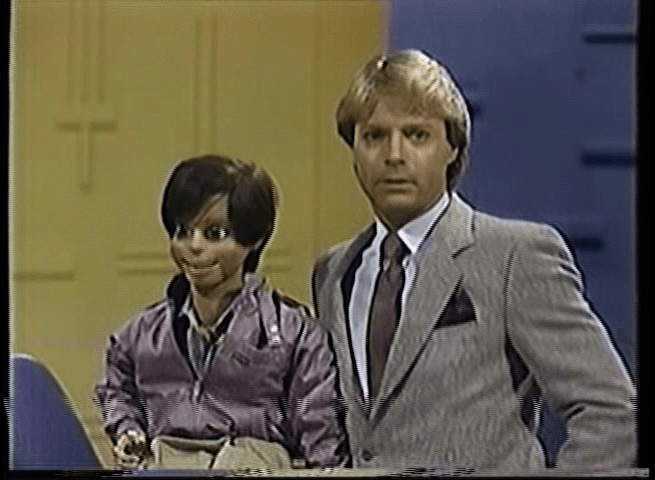
May 14, 2021: Jay Johnson (Soap) hosted the short-lived game show So You Think You Got Troubles?! (1982).
On the show, contestants were interviewed and offered advice by a professional guest panel. The contestant decided which panelist’s advice the audience liked more. Doing so correctly won the contestant $10 multiplied by the percentage of the vote. For example, if the most popular panelist’s advice received 60% of the vote and the contestant successfully chose that panelist, the contestant won $600.
May 15, 2021: Thirty years before Marvel’s Infinity War (2018) or DC’s Crisis on Infinite Earths (2019), the Saturday Morning Cartoons joined forces with the financial backing of Ronald McDonald Children’s Charities to prevent drug-abuse among children in the television special Cartoon All-Stars to the Rescue. Original Airdate: April 21, 1990.
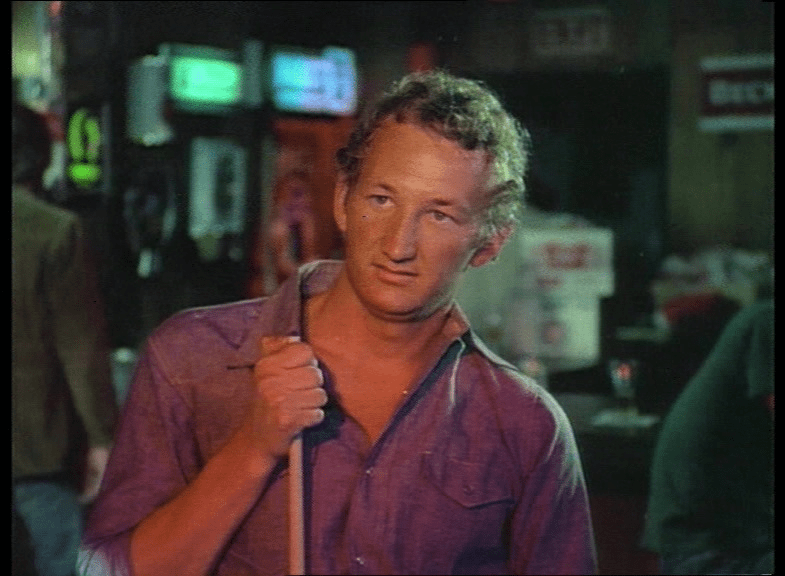
May 19, 2021: Robert Englund (A Nightmare on Elm Street) portrays a local troublemaker in Tobe Hooper’s Eaten Alive (1976).
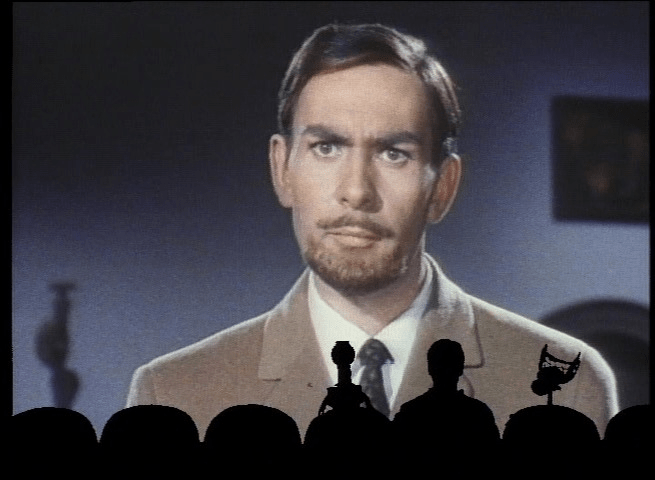
May 20, 2021: Neil Connery, brother of Sean Connery, portrayed the civilian brother of Britain’s best secret agent. He uses skills in plastic surgery, hypnotism, and lip-reading to stop an international crime syndicate in Operation Kid Brother (1967). The self-referential Italian film was featured on Mystery Science Theater 3000 (1989-1999).
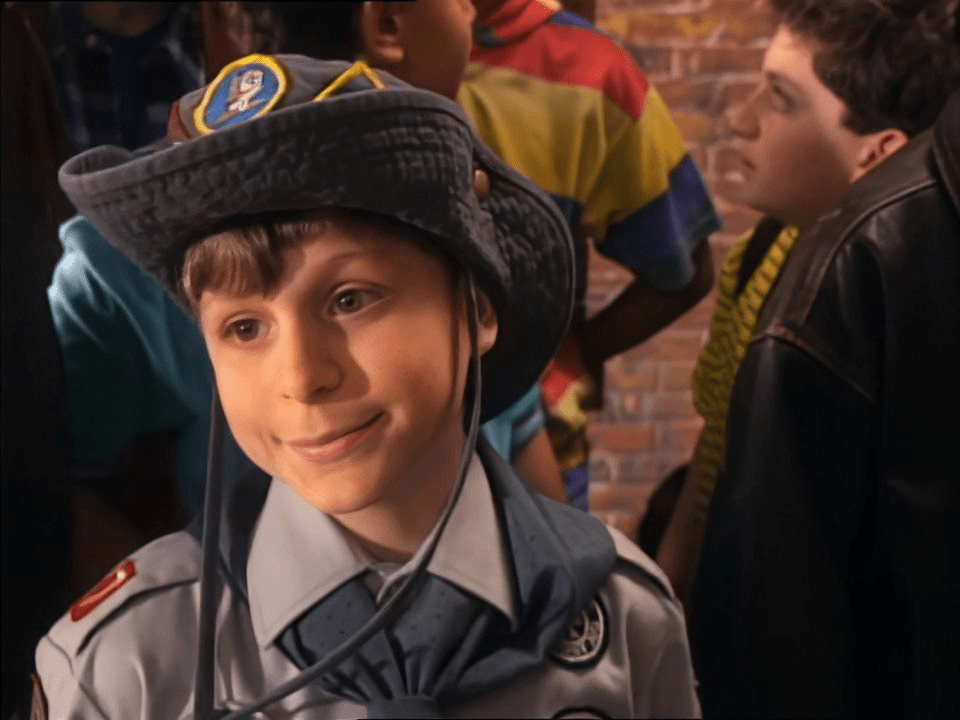
May 21, 2021: In 2000, Michael Cera (Arrested Development) portrayed Larrabe Hicks on the Canadian television series I Was a Sixth Grade Alien!
July 5, 2021: Jonathan Banks (Breaking Bad) is skeptical about Billy Peltzer’s Mogwai story in Joe Dante’s Gremlins (1984).
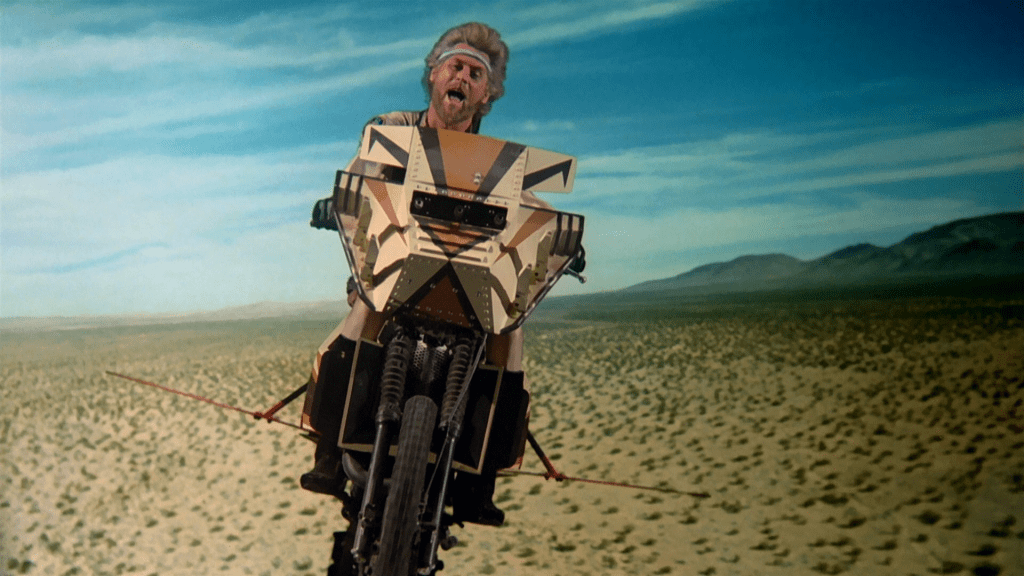
July 28, 2021: Barry Bostwick (The Rocky Horror Picture Show) uses a flying motorcycle to fight terrorists in Megaforce (1982).
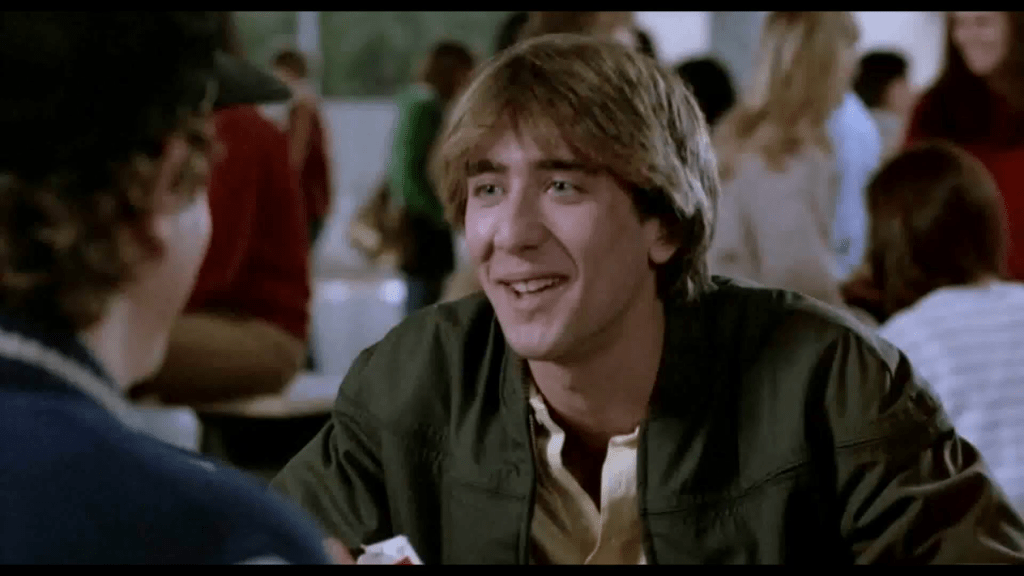
August 13, 2021: Nicolas Coppola, known professionally as Nicolas Cage, played Brad’s Bud in Fast Times at Ridgemont High (1982).
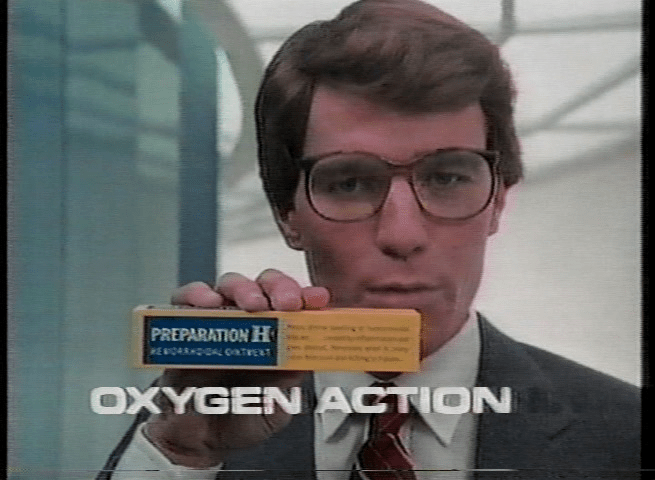
August 30, 2021: Bryan Cranston (Breaking Bad) wants to help you relieve hemorrhoid itch and pain. Original Airdate: February 1986.
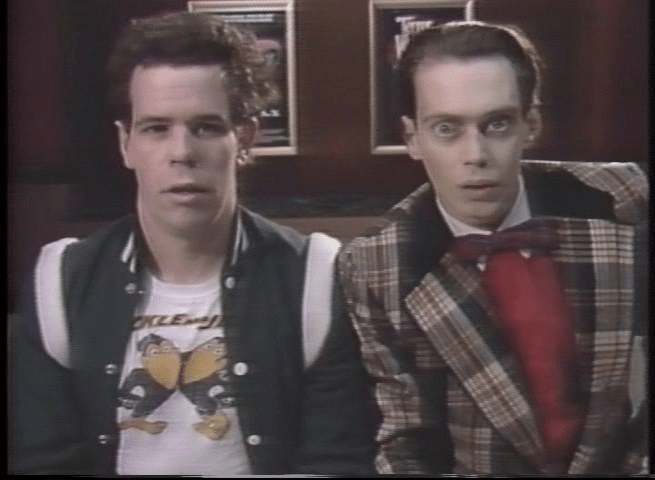
August 31, 2021: Mark Boone Junior (Batman Begins) and Steve Buscemi (Reservoir Dogs) watch trailers and clips from exploitation films in Film House Fever (1986).
September 4, 2021: Jason Alexander (Seinfeld) takes a break from dancing and singing praises about the McDLT. Now, he double dips potato chips for Delta Gold (February 1986).
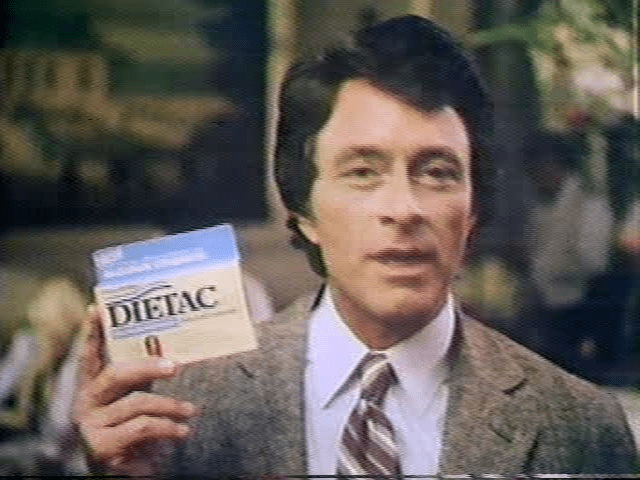
September 9, 2021: Bill Bixby (The Incredible Hulk) promotes Dietac. The product was an appetite suppressant for people who do not want to get angry while dieting. Original Airdate: April 1981.
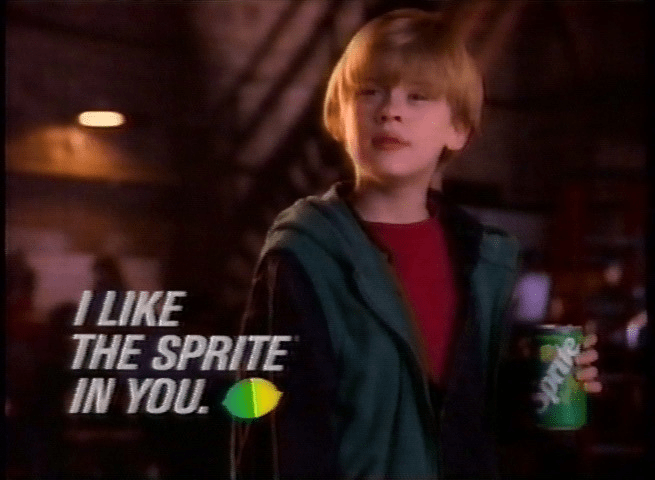
September 10, 2021: Macaulay Culkin (Home Alone 2: Lost in New York) tells you where he likes Sprite. Original Airdate: November 1992.
September 11, 2021: The teaser trailer for Spider-Man (2002) featured bank robbers caught in a web between the Twin Towers. Two days after the towers fell, the movie studio pulled the trailer and other promotional material which featured the buildings.
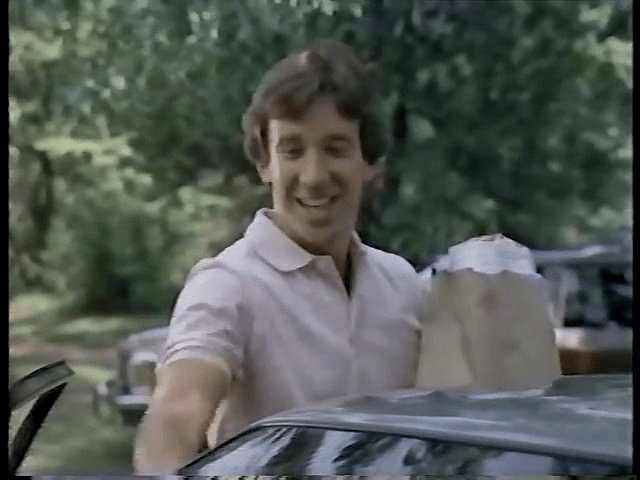
September 13, 2021: Tim Allen (Home Improvement) admires his automobile for Chrysler Oldsmobile. Original Airdate: October 1983.
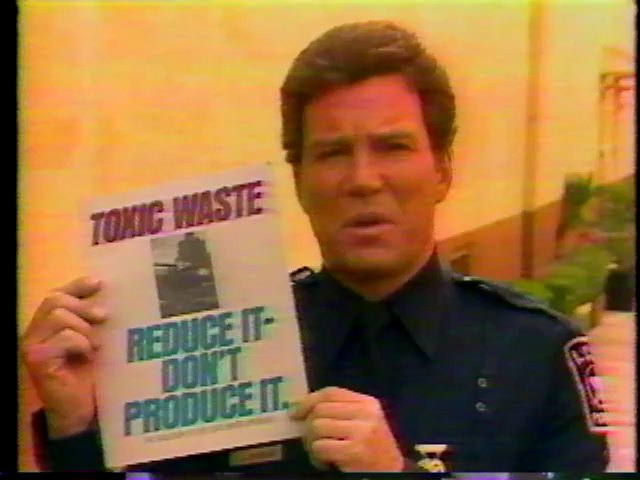
October 21, 2021: T.J. Hooker (William Shatner) and Greenpeace need everyone’s help to fight toxic waste. Original Airdate: January 1986.
November 16, 2021: C-3PO (Anthony Daniels) catches R2-D2 smoking a cigarette in a public service announcement for the U.S. Department of Health and Human Services. Original Airdate: February 1981.
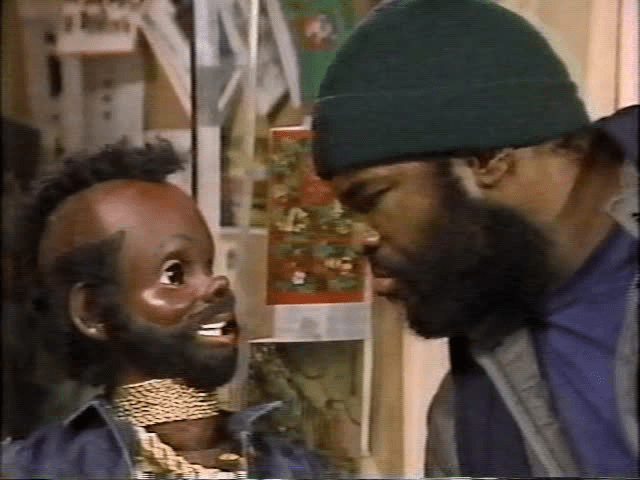
December 22, 2021: Mr. T encounters a multiverse doppelganger in the NBC television special A Christmas Dream.
Original Airdate: December 16, 1984.
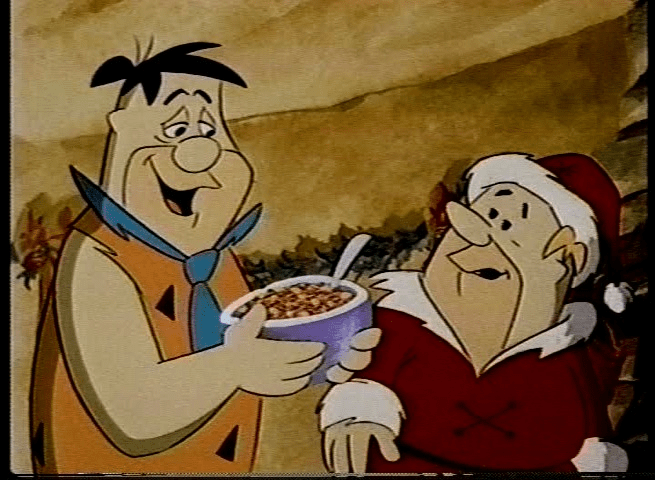
December 24, 2021: Fred Flintstone offers a bowl of Fruity Pebbles to Barney Rubble. Original Airdate: December 1986.
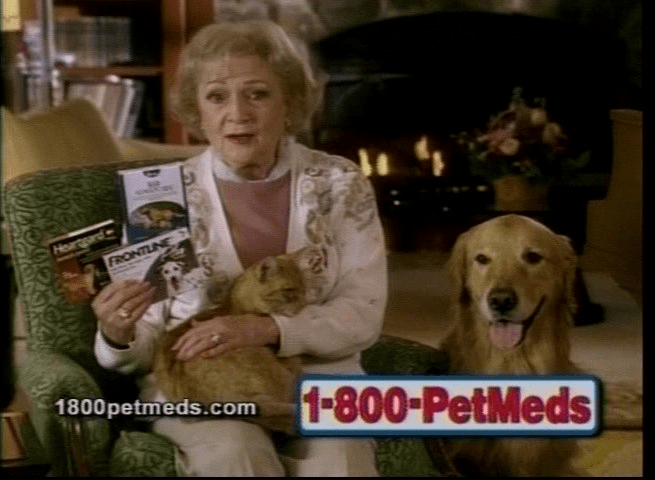
December 31, 2021: Betty White (The Golden Girls) trusted 1-800-PetMeds because of their fast service, free shipping, and big savings.
Original Airdate: December 2007.
May 4, 2022: May the Schwartz/Fourth Be With You!
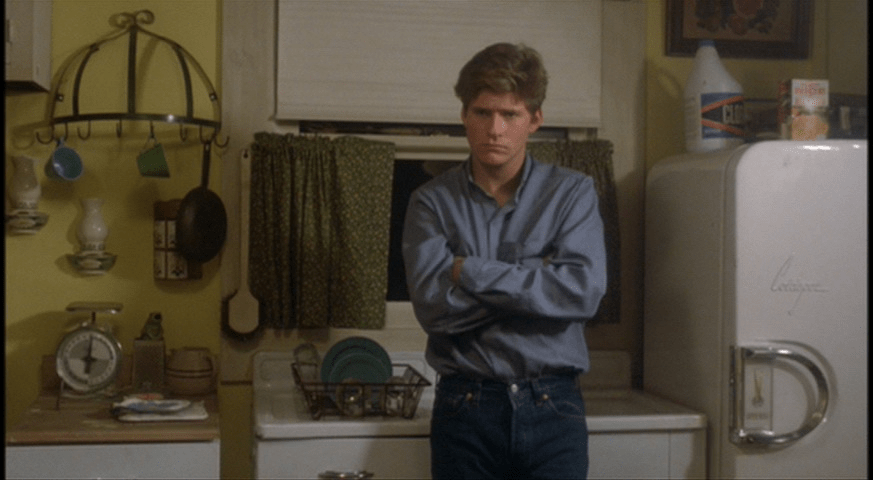
May 13, 2022: Crispin Glover (Back to the Future) can’t dance to his favorite record or find the corkscrew in Friday the 13th: The Final Chapter (1984).
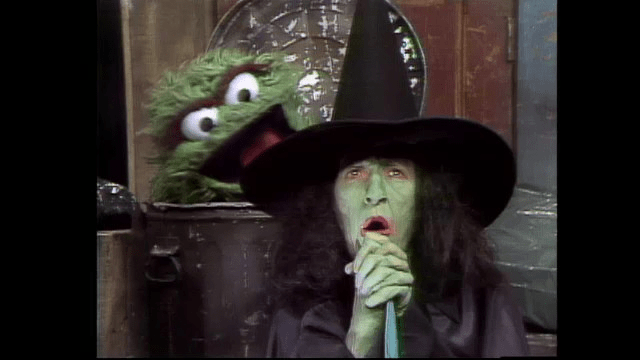
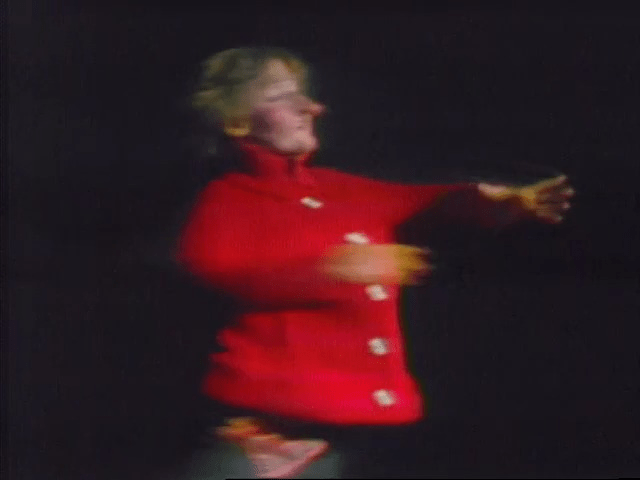
June 20, 2022: Margaret Hamilton (The Wizard of Oz) returned as the Wicked Witch of the West on Sesame Street. She wanted to teach children how to face their fears. Ironically, the live-action segments received a strong and adverse reaction by a large number of parents. They claimed the topic was too frightening for their children. In response to the criticism, the episode was pulled from syndication and never released on home video. But the footage was preserved in the Library of Congress archives for public viewing during special presentations. Production Date: October 10, 1975.
June 21, 2022: Bob Odenkirk doesn’t have time to bond with his child on HBO’s Mr. Show (1995-1998). But there are many other fathers that deserve recognition even though they have “spread their life too thin.”
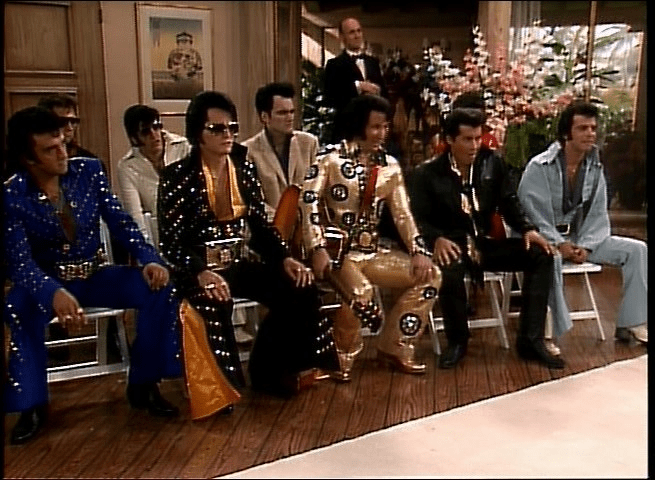
June 28, 2022: Quentin Tarantino (From Dusk Till Dawn) appeared as an Elvis Presley impersonator on NBC’s The Golden Girls.
Tarantino said he was grateful for his early acting career because the residuals helped during production on Reservoir Dogs (1992).
Original Airdate: November 19, 1988.
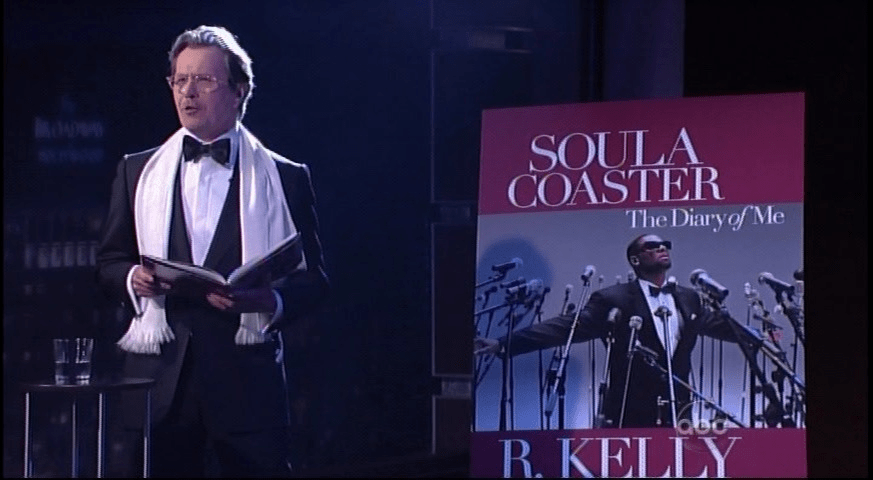
July 20, 2022: Gary Oldham (Tiptoes) appeared on Jimmy Kimmel Live! to promote The Dark Knight Rises (2012) with a dramatic reading from R. Kelly’s autobiography. Sadly, ten days later, during a midnight screening of the film in Aurora, Colorado, a gunman wearing a gas mask entered the theater and opened fire killing 12 people and injuring 58 others. In response to the tragedy, the studio suspended their marketing campaign. Moreover, cast members stopped appearing on television shows to promote the film.
Original Airdate: July 10, 2012.
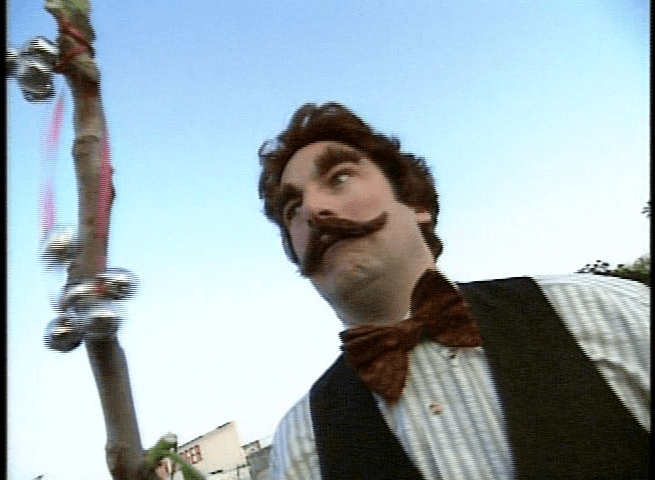
August 2, 2022: Bob Odenkirk (Better Call Saul) parodies J. J. Bittenbinder on HBO’s Mr. Show (1995-1998). Bittenbinder was a retired Chicago police detective who made public appearances to discuss crime prevention. He wrote the book Tough Target: A Street-Smart Guide to Staying Safe. Odenkirk’s character was called F. F. Woodycooks, a bizarre television host who uses unusual and funny-sounding phrases while carrying around his “crime stick.” Original Airdate: November 15, 1996.
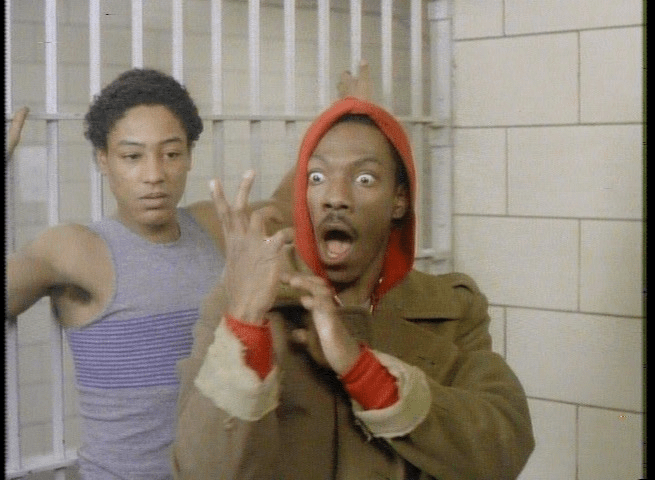
August 11, 2022: Giancarlo Esposito (Breaking Bad) had a brief cameo as one of Eddie Murphy’s cellmates in Trading Places (1983).
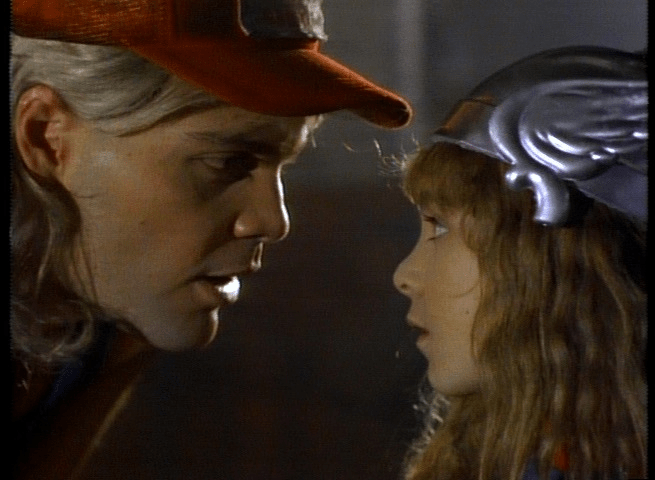
August 17, 2022: Vincent D’Onofrio (Daredevil) confronts Maia Brewton (Parker Lewis Can’t Lose) in Adventures in Babysitting (1987).
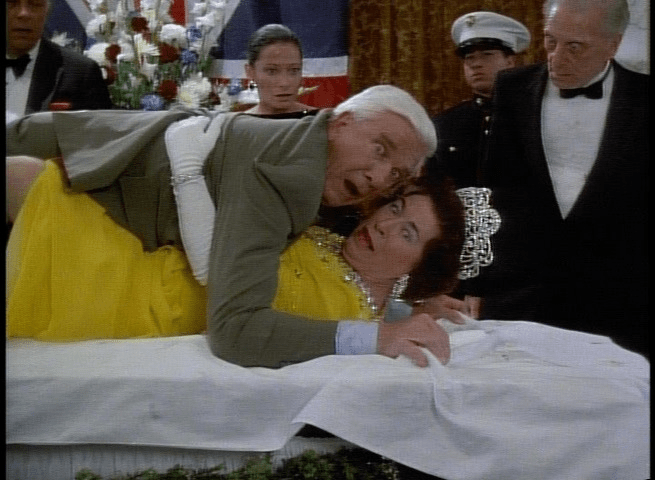
September 9, 2022: Frank Drebin (Leslie Neilsen) uncovers a plot to assassinate Queen Elizabeth II in The Naked Gun: From the Files of Police Squad! (1988). But it is internationally renowned opera star Enrico Pallazzo who foils sleeper agent Reggie Jackson from carrying out the dastardly task.
October 3, 2022: Seth Green (Can’t Hardly Wait) portrayed Richie Tozier in ABC’s television adaptation of Stephen King’s IT (1990). King stated his expectations of the miniseries was low. He said that “here was a book that sprawled over 1,000 pages, and they were going to cram it into four hours, with commercials.”
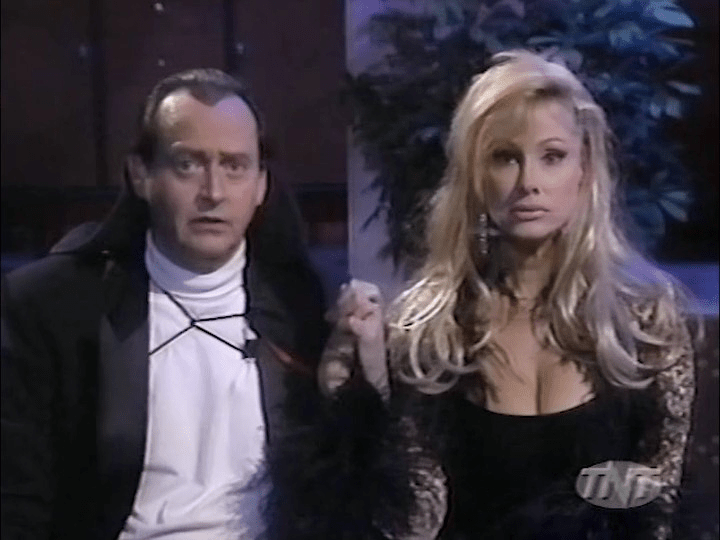
October 11, 2022: Joe Flaherty as Count Floyd (SCTV’s Monster Chiller Horror Theater) and Rhonda Shear (USA’s Up All Night) appeared on TNT’s MonsterVision with Joe Bob Briggs. The trio of movie hosts watched the network television premiere of John Carpenter’s In the Mouth of Madness (1994). Original Airdate: October 31, 1999.
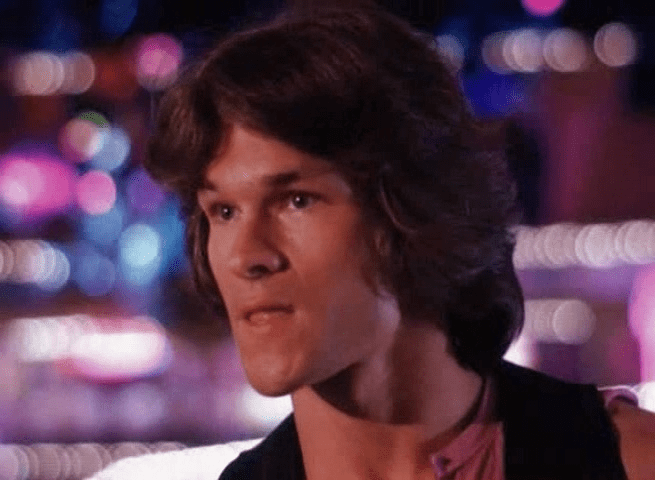
November 2, 2022: Patrick Swayze (Dirty Dancing) in his movie debut as Ace Johnson in Skatetown, U.S.A. (1979).
Additionally, Nick Castle, who played The Shape in John Carpenter’s Halloween (1978), wrote the screenplay for the roller disco film.
Per Wikipedia: “One evening at a Los Angeles roller disco called Skatetown, U.S.A., a rivalry between two skaters (Patrick Swayze and Greg Bradford) culminates in a contest, the winning prize for which is $1,000 and a moped cycle. After a game of chicken played on motorized roller skates, the two rivals become friends.”
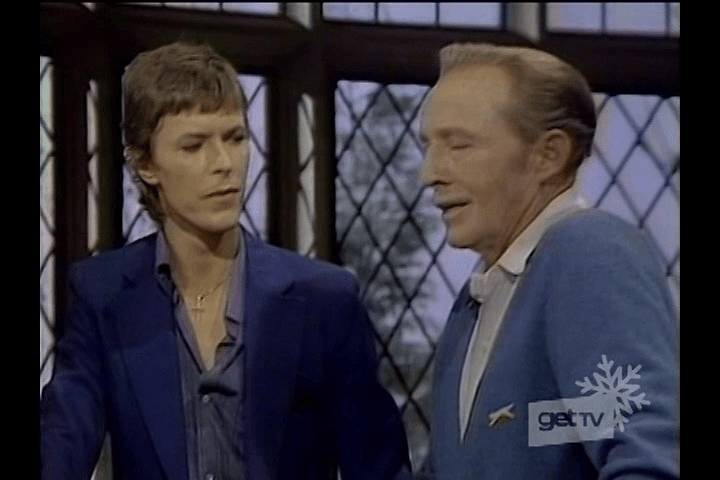
December 1, 2022: David Bowie and Bing Crosby sing “Peace on Earth/Little Drummer Boy” on the CBS holiday special Bing Crosby’s Merrie Olde Christmas. Original Airdate: November 30, 1977.
December 5, 2022: Bob McGrath believes in a “True Blue Miracle” on the Emmy-award winning Christmas Eve on Sesame Street special.
Original Airdate: December 3, 1978.
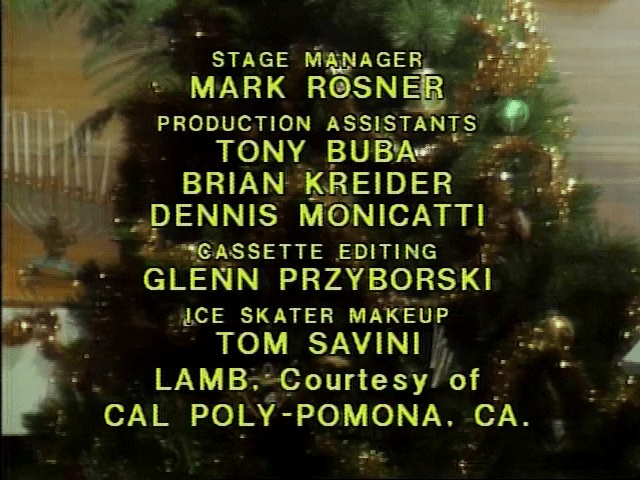
December 20, 2022: Frances Bay (Seinfeld, Happy Gilmore) attends the Neighborhood Christmas pageant on Christmas Time with Mister Rogers. Also, Tom Savini (Dawn of the Dead, Friday the 13th) was credited for his work on the Ice Skater Makeup in Lady Elaine’s live-action dream sequence. The special was rebroadcast on PBS every holiday season until 1982.
For decades, the Christmas episode was classified as “Lost Media.” However, on December 10, 2022, the entire special was released on the official Mister Rogers’ Neighborhood website. Original Airdate: December 20, 1977.
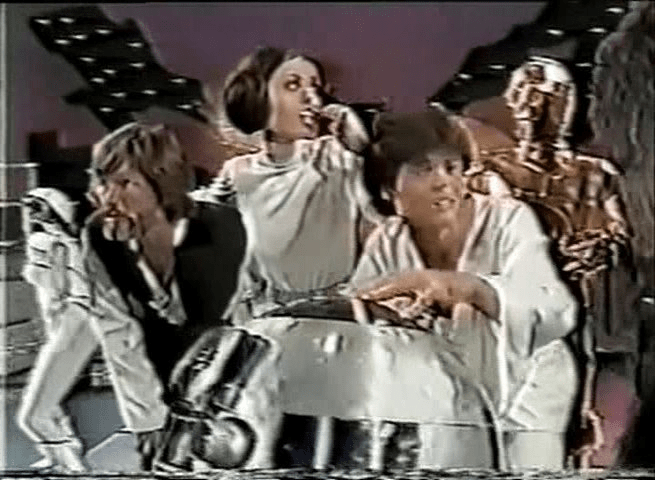
May 4, 2023: Luke Skywalker (Donnie Osmond), Princess Leia Organa (Marie Osmond), Han Solo (Kris Kristofferson), C-3PO, and R2-D2 need to escape from the dancing Imperial Stormtroopers on the Donnie and Marie Show. Original Airdate: September 23, 1977.
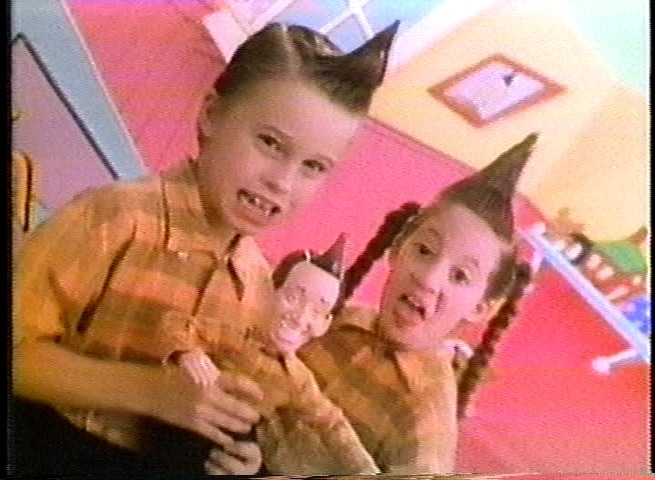
June 23, 2023: In 1989, Tyco released the Talking Ed Grimley Doll.
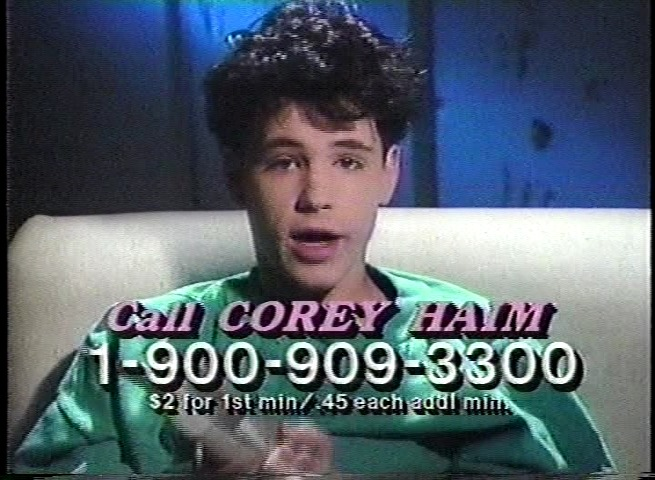
June 24, 2023: In 1989, Corey Haim (The Lost Boys) had a lot to tell you. But I hoped you asked your parents before you called.
August 25, 2023: Elisabeth Shue (Adventures in Babysitting) is the Burger King employee who politely intimidates everyone to visit the Home of the Whopper. Original Airdate: December 1983.
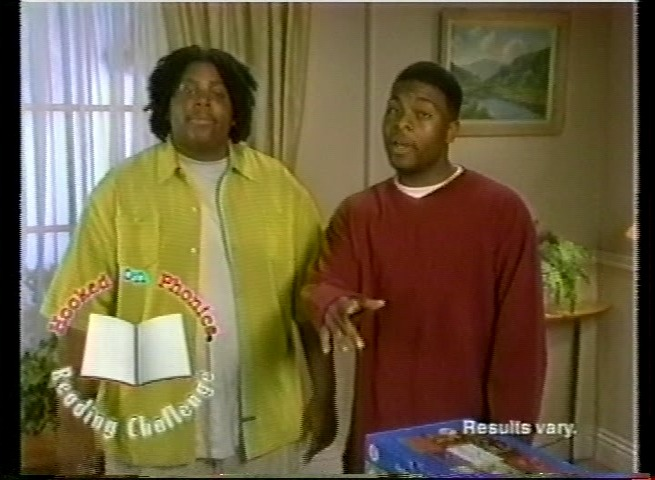
November 16, 2023: Kenan Thompson (Saturday Night Live) and Kel Mitchell (Good Burger) offered the Hooked-on-Phonics 4-week reading challenge. Original Airdate: September 1999.
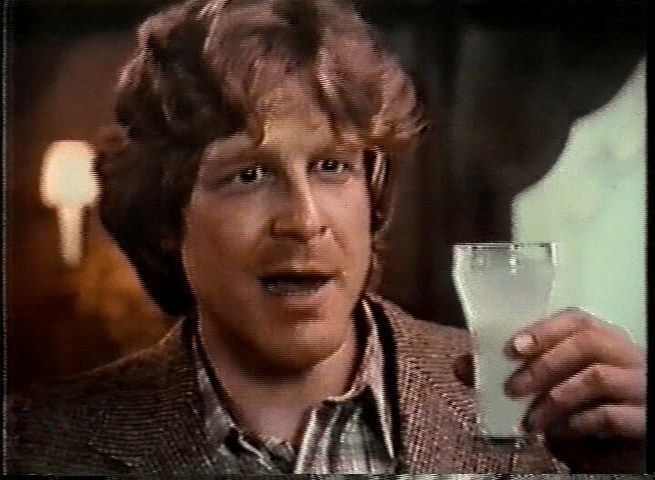
August 6, 2025: John Goodman (Roseanne, The Big Lebowski) drinks milk for the American Dairy Association. Original Airdate: March 1981.
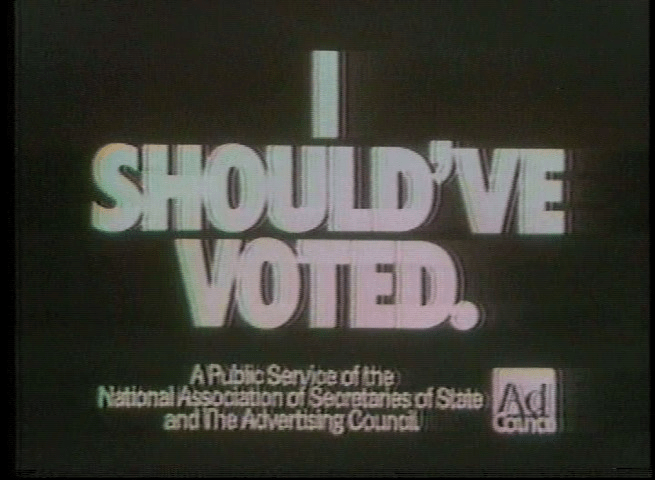
August 12, 2025: The National Association of Secretaries of State issued a public service announcement about the 1980 Presidential Election. “You know that’s what you’re going to say,” the voiceover announcer declared, “if your candidate doesn’t win.” Original Airdate: November 1, 1980.
“Star Wars: Episode II – Attack of the Clones” was released on May 16, 2002.
It is twenty-two years later. I have wonderful memories of watching Star Wars: Episode II – Attack of the Clones with my father.
But I realized the Star Wars Prequel Trilogy was “not going to go the way [I] think” it should. While I had concerns and criticisms about The Phantom Menace, the second prequel film brought a different experience. It was the first time that I was not anxious to revisit a Star Wars theatrical film.
Indeed, Attack of the Clones helped me understand that I had formed my own personal head-canon. I am not always going to appreciate or enjoy everything that a franchise offers.
A few examples of cringe-worthy moments in the film:
the 1950s diner on the Republic capital world.
Jango Fett being used as the template for the Republic Army soldiers.
Boba Fett being a clone of his “father.”
Owen Lars sharing minimal screen time with Anakin Skywalker and being retconned as his stepbrother.
the Droid Factory sequence along with C-3PO and R2-D2 providing “comic relief” in the Arena Battle.
the Death Star blueprints being mentioned and then shown on-screen.
Yoda fighting and jumping around with his lightsaber.
I have enjoyed some of the recent Star Wars projects. Still, I “don’t like [Episode II]. It’s coarse and rough and irritating … and it gets everywhere!”
“Army of Darkness” was released on February 19, 1993.
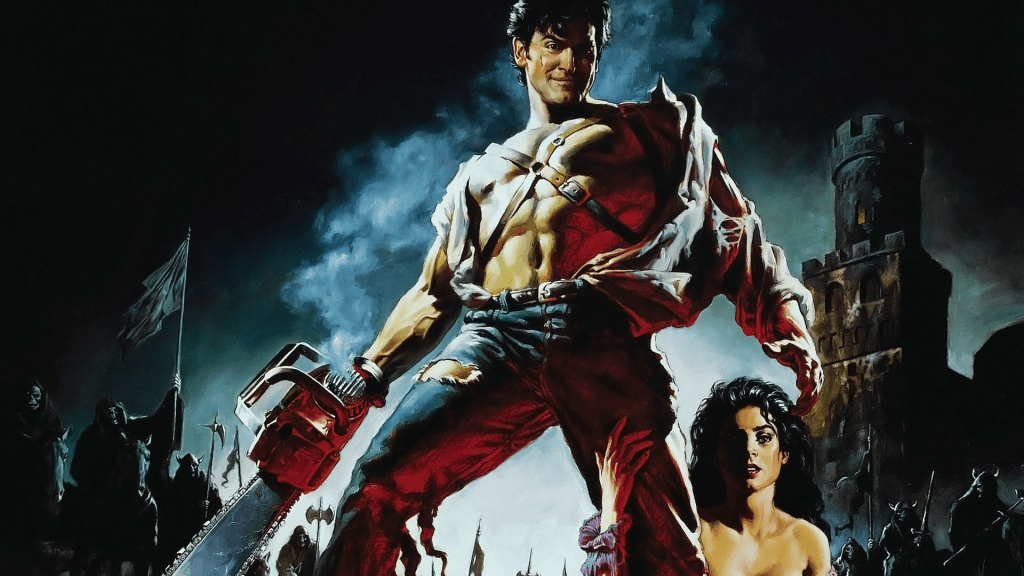
In the Summer of 1993, I watched Army of Darkness for the first time on VHS at my friend’s house. The opening sequence showed flashbacks of the ending to Evil Dead II: Dead by Dawn. But I was unaware that the movie was the third installment in the Evil Dead series.
But, in my defense, the contemporary advertisements only mentioned that Sam Raimi was the director of Darkman. It would be a few more years before I started accumulating vast amounts of useless movie trivia.
As of May 2024, I own at least five different versions of the film:
U.S. Theatrical Version (81-min.)
US. Television Cut (88-min.)
“Captain Supermarket” Japanese Cut (88-min.)
Director’s Cut (96-min.)
“Primitive Screwhead” Extended Cut (104-min.)
The Primitive Screwhead release was a composite fan-edit project. The editor merged the majority of footage into the longest version possible. Every version includes exclusive scenes and dialogue that the others are missing.
Originally Written for Honors English 102 (Honors) on May 10, 2002
“Be warned, my son, of anything in addition to them. Of making many books there is no end, and much study wearies the body.” – King Solomon1
The king of ancient Israel believed enlightenment through secular sources was futile. The number of books available during his lifetime was astronomical. In fact, Solomon would use similar words about one of the most popular forms of entertainment today: the motion picture.
A motion picture, according to Webster’s New World College Dictionary, is a sequence of photographs or drawings. They are projected on a screen in rapid succession. They create the optical illusion of moving persons and objects. This happens because of the persistence of vision.2
Today, there is a seemingly never-ending choice of movies available to watch. It would be impossible for someone to watch every single film. Also, some films are not widely available due to their controversial content.
For centuries, creative content has caused conflict between artists and religious organizations. During the 19th Century, for example, the Catholic Church prohibited artists from displaying their works outside churches.
Nonetheless, motion pictures gave artists the opportunity to show their creative content in basements, coffee houses, and private establishments.
In fact, one of the first motion pictures containing religious symbolism was shown to French audiences. After the film screening, Catholic priests informed the local authorities that religious art was being shown in public.
Although the issue was settled, the brief meeting foreshadowed the precarious relationship between artists and religious organizations.
They debated how films should explore taboo subjects like religion, sex, and violence. According to Peter W. Williams, a professor of Religion and American Studies at Miami University in Oxford, Ohio, filmmakers “[draw] on religious subjects.” Conversely, religious groups want “to influence the content and approach of films, at times with dramatic success.”3
To explain, religious groups believe the topics of religion, sex, and violence in film are exploited and mishandled by filmmakers. Conversely, artists wish for the freedom to openly explore the topics of religion, sex, and violence. They want to release their creative content as originally intended.
To discuss the issues between filmmakers and religious groups, we need to examine the primary argument between them. We must also consider the reasons for using religious themes in films. Finally, we must look at the pluralism between filmmakers and religious groups.
First, the main disagreement between filmmakers and religious groups is the idea that filmmakers are committing blasphemy. To clarify, blasphemy is defined as “profane or contemptuous speech, writing, or action about God, or anything held as divine.” The definition includes “any remark or action held to be irreverent or disrespectful.”
Understandably, Christians do not want to be guilty of blasphemy. Also, they want to avoid watching creative content that would be ridiculing the Bible.
Nevertheless, the Greek and English translations are slightly different. The Greek word of blasphemy describes “injurious, defamatory, or abusive speech toward God and human beings.” The English translation includes “disrespectful and abusive speech against sacred things.” 4
For example, Martin Scorsese’s The Last Temptation of Christ (1988) was considered extremely blasphemous. Based on the novel of the same name by Nikos Kazantzakis, Scorsese shows Jesus as an ordinary man. He struggled with various forms of emotions, including depression, doubt, fear, lust, and reluctance. Evidently, Scorsese wanted to use the Gospels as a background setting for exploring the topics of religion, sex, and violence. Thus, Scorsese offered a disclaimer. “This film is not based on the Gospels, but upon the fictional exploration of the eternal spiritual conflict.”
Yet, due to Scorsese’s unorthodox departure from the Biblical narrative, American communities held protest rallies outside their local theaters. In contrast, a few European religious groups committed violent terrorist attacks during screenings of the film.
In September 2000, six area churches objected to a special presentation of the film in New York. According to Brian Goodman, a noted author for American Libraries, religious leaders collected hundreds of signed petitions. They demanded the Catskill Public Library pull the film from their controversial art program.5 Ironically, the media coverage caused the attendance to exceed 3,000 individuals.
To understand the animosity between filmmakers and religious groups, it is necessary to review the history of the Production Code. This review provides context about how their relationship reached such a point.
During the early 1920s, the film industry founded the Motion Picture Producers and Distributors of America (MPPDA). Its purpose was to regulate the content of motion pictures. They aimed to do this without external forces interfering.6
In fact, according to Laurent Bouzereau, a film commentator, the group created the Production Code of “Don’ts and Be Carefuls.” The Code addressed profanity, nudity, drugs, perversion, sexual‑related themes (i.e. venereal diseases, childbirth), white slavery, miscegenation, ridicule of the church, and offenses against the nation, race, or creed.7
The Code prohibited filmmakers from using blasphemy against God. But this would not be enough for various religious organizations. For instance, the Catholic Church wanted to create nationwide programs to regulate and influence filmmakers into obeying the Code.
In 1934, the Church established the National Legion of Decency. The goal was to encourage filmmakers to remove offensive dialogue. It also aimed to warn the public about controversial films. Soon, the clergy recommended a boycott. They wanted the film industry to implement tougher and stricter rules. The campaign gained momentum and assistance from secular groups. The Code administrators guaranteed to Christian groups that “sin would no longer be depicted on the screen as desirable.” They also assured them that “sex would not be depicted in detail.” Lastly, “no crime would ultimately go unpunished.”
For years, the enforcement of the Code brought an illusion of peace and stability between filmmakers and religious groups.
Yet, according to Bouzereau, the MPAA struggled to enforce their own standards and guidelines. The conflict began when Otto Preminger refused to remove suggestive dialogue from The Moon Is Blue (1953). The film is a romantic comedy about a woman who innocently discusses her virginity.
Though Preminger’s boldness forced the studios to change the Code to allow sexual themes in film, blasphemy was still restricted.
Still, the film industry made the decision to regulate itself. This occurred without interference from the Legion of Decency.
On November 1, 1968, the MPAA created a rating systems board to oversee not only films. It also monitored “trailers, print ads, radio and TV spots, and press kits.” According to Jack Valenti, former president of the MPAA, they wouldn’t “approve or disapprove the content of a film.” Instead, they would give “advance cautionary warnings…so that parents could make the decision about the moviegoing of their young children.”8
Originally, unlike Catholic organizations, Jewish filmmakers were afraid to criticize the movie industry. In fact, Jewish communities turned away from drawing attention to themselves and their traditions.
According to Williams, Jewish directors “seemingly now felt secure enough to mount public criticism of their own communities for the broader film audience to witness.” They did this by adding their own perspective.
Now, filmmakers would deal with anti-Semitism themes in their films by introducing the Jewish people as heroic and brave individuals.
As a result, Jewish performers showed assertiveness and rose in popularity. Mel Brooks’ Young Frankenstein (1974) awakened the parody genre. Brooks helped make other Jewish actors famous including Madeline Kahn and Gene Wilder.
While the MPAA is still in effect, the organization only serves two purposes. The first purpose, according to Bouzereau, is to allow creative filmmakers to construct their movies the way they want. The second purpose is to give parents precise information to guide their children.
To clarify, the film industry decided that it is not the role of any group or organization to restrict artists. Neither secular nor religious groups should impose restrictions. Rather, it is up to the individual person to decide what is suitable for them and their family. But, if a film is classified as an R or NC-17, filmmakers can’t advertise their movies in most newspapers. They can’t advertise on television and radio stations. Without promotional materials, the release of a film would result in financial disaster for the studio. The only way to receive an acceptable rating is to remove the questionable dialogue. This will make it financially successful.
Despite the MPAA establishing a voluntary rating system, religious groups and secular organizations still demanded the censorship of films. Filmmakers feared repercussions. As a result, they continued to lack the artistic freedom to explore the topics of religion, sex, and violence openly.
Second, the reasons for using religious themes in films is obvious. The themes of temptation and redemption have been used by artists for thousands of years. This is because “what has been, will be again. What has been done will be done again. There is nothing new under the sun.”9
In fact, many filmmakers and critics would agree with the idea, as well.
According to George Lucas, creator of Star Wars, creative content has not “come very far emotionally.” He also said that “each society takes [an old] myth and retells it in a different way. This relates to the particular environment they live in. The motif is the same. It’s just that it gets localized.”10
As explained by Patrick T. McCormick, an associate professor of Christian ethics, “the advantage of a celluloid Christ would seem legion” to filmmakers.11
As a result, unsatisfactory characterizations of Jesus Christ only inspired other filmmakers to create more unique and unorthodox portrayals.
For instance, McCormick reveals the characters in The Greatest Story Ever Told (1965) and Jesus of Nazareth (1977) were inspirational. But the message was not “prophetic enough” for many audiences.
On the other hand, the depiction of Jesus in Norman Jewison’s Jesus Christ Superstar (1973) was considered offensive and blasphemous. According to McCormick, Jewison showed Jesus as a weak and strangely godless man. The film is filled with contemporary musical numbers and symbolism. These elements were obviously influenced by anti-war protests.
Furthermore, comedic and satirical filmmakers received criticism for exploring religious themes in their creative content.
The British comedy troupe used Christian themes in Monty Python and the Holy Grail(1975). Despite this, the controversy surrounding Monty Python’s Life of Brian (1979) started during pre-production.
One, the screenplay had several title changes. These changes included calling the film “Jesus Christ: Lust for Glory” and “The Gospel According to Saint Brian.” The comedic filmmakers realized that they did not want the movie to be completely blasphemous. They settled on telling the story of Brian, a contemporary of Jesus Christ who is mistaken as the Messiah.
Two, the film was originally going to be financed by E.M.I., but the production company backed out of the deal. George Harrison thought this would be the only chance to see another Monty Python film. He decided to fund the project by creating his own company called Handmade Films.
The studio’s marketing campaign happily embraced the controversy. They recommended viewers to “see the movie that’s controversial, sacrilegious, and blasphemous. But if that’s not playing, see the Life of Brian.”
When the Life of Brian was released in theaters, the film caused outrage among religious communities, especially in European countries. According to Robert Hewison, a British cultural historian, many religious groups accused the film of mocking Jesus Christ. They believed the screenplay was blasphemous and heretical. Yet, the film’s opponents used the issue of full-frontal nudity to get the movie banned in their respective countries.12
The film was initially banned in Norway during its original theatrical release. It was not shown until 1980. The studio marketed the Life of Brian as “the film that is so funny that it was banned in Norway!”
In the opinion of the Monty Python cast members, their purpose was to show how ridiculous certain religious groups act. They agree that Jesus Christ was a great man. The comedians feel that the real message of the film is that Christians should simply follow the commandment of love. They should not fight and argue over scriptural doctrines and teachings of faith.
Also, Monty Python suggested that offended groups to “always look on the bright side of life.” Filmmakers would stop creating movies with religious themes if the studios “never [made] their money back.”
Furthermore, Kevin Smith, an independent filmmaker, faced a similar controversy with his religious comedy, Dogma (1999). It is the story about the last known descendant of Jesus Christ. She is called upon to save humanity from two renegade angels trying to exploit a scriptural loophole.
In 1999, Miramax Films planned to release the fourth installment of Smith’s cinematic universe. But Catholic organizations wanted the movie studio to shelve Dogma indefinitely. Although the film offered a satirical view about Catholic doctrine, Smith never intended to offend the Catholic Church.
According to Jim McDonnell, the director of the Catholic Communications Center in London and vice‑president of the International Catholic Organization for Cinema and Audiovisuals, Christians “must help people discern between those elements of spirituality in contemporary culture and mass media. These elements might be real paths to God or false trails.”
In contrast, Smith was confused that a priest can mix comedy during a sermon, but filmmakers can’t put religion into a comedy.13
Filmmakers were criticized for exploring religious characters and themes in more surrealist, dreamlike, and comedic ways. But there is still the possibility of pluralism between secular and religious groups in filmmaking.
For instance, the Religion Communicators Council announced during the Wilbur Awards that Lasse Hallström’s Chocolat (2000) won the Best Film Award. Aaron Sorkin’s The West Wing (1999) won the Best Television Drama Award. Both contained religious themes.
In fact, Chocolat tells the story of a chocolate maker plagued with strict morality enforced by the village’s mayor. The mayor has control of the local Catholic Parish. Conversely, The West Wing dealt with the issue of capital punishment.14
Yet, the trend of “God Exploitation” films has been criticized, as well.
In particular, Peter LaLonde, producer of Left Behind (2000), believes that his fellow colleagues are judged for being too fundamentalist. He declares that his goal is to reach people through good storytelling. He also wants to be seen as a filmmaker who happens to also be a Christian.
Also, Act One, a coalition of Christian writers and producers, receives donations from the Catholic Church to produce their films. Their goal is to stop the martyrdom outlook that has faced other similar filmmakers.15
While artists use religious themes as a form of self‑expression, there is a difference between the secular and spiritual world. As a matter of fact, there are many science fiction films which do not have a religious agenda.
One, Ridley Scott’s Blade Runner (1982) has often escaped extensive dissection. Religious groups have not extensively examined it for its heavy religious themes and subtext. From the point of view of Sharon L. Gravett, a noted author from Valdosta State University, the film “draws on elements from a number of sacred traditions.” Gravett’s main concern is that everyone notices the Creation theme borrowed from the Genesis account. But they neglect to point out other Biblical similarities, namely, “that of the patriarch Israel (born Jacob).” Throughout her analysis, Gravett compares various characters and situations in Blade Runner and the Bible. She concludes the film asks, “the age-old question of what it means to be human.”16
Two, the success of George Lucas’s Star Wars (1977) clearly demonstrates the difference between the secular and spiritual world. According to Bill Moyers, a noted journalist and interviewer, the popularity of Star Wars started because “the hunger for spiritual experience was no longer being satisfied sufficiently by the traditional vessels of faith.”
As a matter of fact, Lucas included many religious themes and mythological references in the Star Wars movies. The existence of the Force, for example, can be traced to Buddhism. It also relates to other Far East religions.
Additionally, Lucas states that his films represent a collection of religious, mythological, and political issues. His films offer a “modern and easily accessible construct [. . .] that there is a greater mystery out there.”
While Lucas believes religious faith is important, there needs to be a healthy balance with secular experiences in life. Obviously, Star Wars is more than a religious allegory; it is a story of the hero’s journey.
Yes, the solution involves more than pointing out the controversies between a film’s creative content and a religion’s beliefs. Pluralism is necessary.
Undeniably, the purpose of filmmaking is purely creative. Many artists feel the need to express their feelings and ideas through the motion picture.
Sometimes, young people struggle to find enlightenment through religious organizations. Nevertheless, films which include heroic characters can help young people find religion.
Undoubtedly, parents can help their children compare qualities that the Son of Skywalker shares with the Son of God. They can also teach children the importance of establishing a strong and healthy belief system.
Truly, if all things are possible then artists and religious groups can coexist in the same world. They can join equally in the filmmaking process.
Webster. Webster’s New World College Dictionary. Third edition. New York, New York. Simon & Shuster Macmillian Company, 1996. ↩︎
Williams, Peter W. “The Catholic Crusade Against the Movies.” Religion and American Culture. Summer 2000. v10. 225‑239. Academic Search Elite. Online. EBSCOhost. 20 Mar 2002. ↩︎
McCormick, Patrick T. “Jesus Christ, Movie Star.” U.S. Catholic. May 2000. v65. 46‑48. Academic Search Elite. Online. EBSCOhost. 27 Mar 2002. ↩︎
Hewison, Robert. Monty Python: The Case Against: Irreverence, Scurrility, Profanity, Vilification and Licentious Abuse. 1981. ↩︎
Corliss, Richard and Ressner, Jerry “Can God Take a Joke?” Rpt. in Time 11/15/99, Vol. 154 Issue 20, following p.102, 1p, 5c. ↩︎
“Religious Groups Honor Chocolat, Return to Me.” Pt. in Christian Century 5/02/01, Vol. 118 Issue 14, p12. ↩︎
Goodale, Gloria “Will Hollywood Get Religion?” Pt. Christian Science Monitor, 10/12/01, Vol 93 Issue 223, p13. ↩︎
Gravett, Sharon L. “The Sacred and the Profane: Examining the Religious Subtext of Ridley Scott’s Blade Runner.” Literature/Film Quarterly. 1998. v26. 38‑45. Academic Search Elite. Online. EBSCOhost. 27 Mar 2002. ↩︎
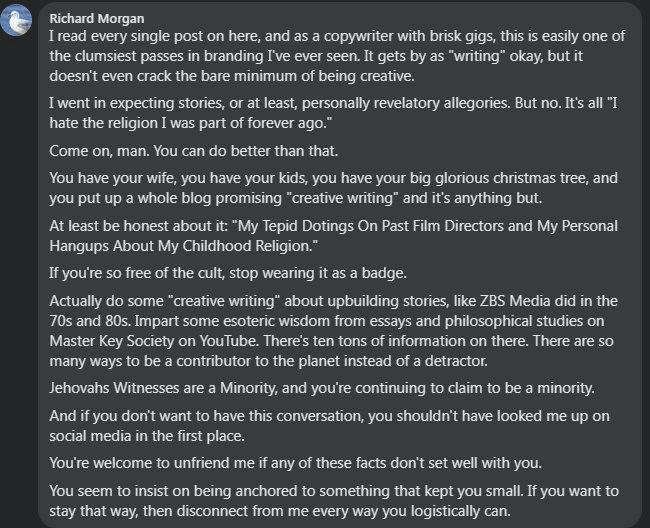
I have revised the Feedback Disclaimer on Random Creative Writing for clarification purposes. But I want to give Richard C. Morgan’s comments and feedback the attention that it deserves. The content is provided on a “take it or leave it” basis but “valuable and constructive feedback is welcome.” Still, there are some misconceptions which need to be addressed.
One, I am not attempting to “brand” or promote myself as a professional writer. I am not seeking financial compensation for providing content on a writing blog. Rather, I earn a decent salary in the healthcare industry. This includes “brisk gigs” as a freelance consultant for a law firm.
Two, I disagree with the professional copywriter’s assertion about creative content. According to Morgan, he is a Gatekeeper of Creative Writing. He determines when the “bare minimum of being creative” has been achieved. Also, he decides when authors can share their content with the planet.
In fact, many professional writers would disagree with Morgan. In her book, Foundations of Creativity, Mary Lee Marksberry references Paul Witty and Lou LaBrant’s Teaching the People’s Language. Marksberry uses this reference to explain the concept of Creative Writing. She notes that Witty and LaBrant … [say creative writing] is a composition of any type of writing at any time primarily in the service of such needs as
the need for keeping records of significant experience,
the need for sharing experiences with an interested group, and
the need for free individual expression which contributes to mental and physical health.1
Additionally, B.J. Neblett, an author known for his work in Science Fiction, Fantasy, and Contemporary Fiction, spoke about significant life experiences. Neblett stated “we are the sum total of our experiences. Those experiences – be they positive or negative – make us the person we are, at any given point in our lives. And, like a flowing river, those same experiences, and those yet to come, continue to influence and reshape the person we are, and the person we become. None of us are the same as we were yesterday, nor will be tomorrow.”
Thus, Random Creative Writing is a website for artistic expression about positive and negative life experiences. The content is offered to readers who would like to know about my life and interests. The stories are presented without esoteric commentary or “personally revelatory allegories.”
Sadly, the Jehovah’s Witnesses will always be a significant detail of my life. Nevertheless, I am not wearing my escape from the Watchtower Society as a Badge of Honor. Most of my friends, family members, and professional acquaintances do not know about my religious experience. As a result, my involvement with the Jehovah’s Witnesses is a seldom known fact. Rather, it is an old scar from a healed wound. My experience highlights the traumatic consequences from religious indoctrination. Also, my story serves as a tragic reminder about the dangers of seeking absolute truth from a doomsday cult.
For twenty-five years, I have been capable of independent thinking while pursuing higher education and experiencing a successful career. Without embarrassment, I find enjoyment by pursuing hobbies and interests which were discouraged by the Jehovah’s Witnesses. For example, the group never supported my “tepid dotings” on science fiction and horror films.
Meanwhile, I married a beautiful and intelligent worldly woman. Deeply ingrained misogynistic attitudes and archaic courtship traditions are not needed in our relationship. Rather, we are equal partners in our marriage.
Together, we raise our wonderful and talented children to follow their own spiritual path. We do not force our own personal beliefs about God on them. Instead, we recognize various religious holidays and pagan customs. It is true that one custom is displaying our “big, glorious Christmas tree”2 in our living room. Ultimately, our family’s goal is to celebrate life together.
Honestly, Morgan can find enlightenment somewhere else. After all, there are “ten tons of information” in the world. If he is interested in scientific research and empirical evidence, I recommend a few topics for consideration. These include Cognitive Dissonance, Sunk Cost Fallacy, and the Behavior, Information, Thought & Emotional (BITE) Control Model. Also, he should study the Dialectical Method and Jungian Shadow Work.
But if Morgan demands allegorical stories with characters and situations, I recommend reading these critically acclaimed novels:
Frank Herbert offered warnings about the manipulation of Religion, Messiahs, and Prophecies in Dune.
Robert Heinlein explored the dangers of Fascist Organizations controlling Individual Freedom & Responsibility in Starship Troopers.
George Orwell revealed the consequences of Propaganda, Group Think, Mass Surveillance, and Thought Reform in 1984.
Alternatively, there is a poetic way to explain how Morgan’s “minority” group belongs to a high-control, high-demand authoritarian religion. To illustrate, in Edith Wharton’s Souls Belated, a woman named Lydia is afraid of being socially rejected. Specifically, Lydia is terrified of being shunned by her social circle. As a result, she pretends to be married to her companion.
Lydia believes that the influential members of the group will emotionally blackmail her. Their undue influence causes emotional trauma to her well-being. The potential shunning convinces her into playing along with them. As a consequence, Lydia feels compelled to keep their secrets. The experience leaves Lydia upset and confused. Still, Lydia is guilty of accepting, approving, and condoning the rules. She reinforces the lies to be accepted.
Likewise, shunning is the primary method of emotional control used by the Jehovah’s Witnesses. Their members will avoid significant contact with anyone who leaves the group. Moreover, there are no exceptions to this rule.
A case in point, in the Summer of 1993, I became friends with Richard C. Morgan. He was a creative and stoic young boy. Our families attended the same congregation of the Jehovah’s Witnesses in my hometown.
In the Summer of 2008, I saw Morgan and his father in a local restaurant. Although it was years after my disassociation from the group, we had a brief conversation about our lives. I thought we parted ways on amicable terms.
On March 26, 2024, I sent Morgan a Friend Request on Facebook. We have mutual friends, both worldly acquaintances and inactive Jehovah’s Witnesses, on social media. He appeared to be going through some personal issues.
Originally, I was wanting to have an encouraging discussion with Morgan. I was holding out hope for his enthusiastic response to the Friend Request.
Instead, Morgan decided that offering criticism about Random Creative Writing was more important. He is correct that “there are so many ways to be a contributor” with creative content. But he projected his own anger, disappointment, jealousy, and resentment about my personal decision to resign from the group. Furthermore, Morgan did not offer sympathy or condolences about my parents. Truly, if he “read every single post on here,” then he discovered that both of my parents have passed away. Our fathers socialized with each other, and our families had dinner together.
Ultimately, it is beyond the pale for Morgan to belittle my existence. He condemns my experiences because I decided to be “free from the cult.”
If Morgan wants to pass judgment on my life choices, “then go right ahead. Do it if it makes you feel any better. I’m an easy target. Yeah, you’re right, I talk too much. I also listen too much. I could be a cold-hearted cynic like you…but I don’t like to hurt people’s feelings. Well, you think what you want about me; I’m not changing. I like me. My wife likes me. My [friends and family] like me. Cause I’m the real article. What you see is what you get.”3
Unfortunately, Morgan did not “want to have this conversation.” Rather, he blocked my account to “disconnect from me every way you logistically can.”
On April 14, 2024, three weeks later, Richard C. Morgan passed away at his home. It was very sudden, according to his family.
In the end, I am offering my sincere condolences to his family and friends. I hope Morgan lived the best life that he wanted and deserved.
FOOTNOTES
Marksberry, Mary Lee. Foundation of Creativity. Harper’s Series on Teaching. (New York; London: Harper & Row, 1963), 39. ↩︎
Jehovah’s Witnesses, known as Bible Students, celebrated Christmas until 1928. Conversely, my facial hair would have marked me as “spiritually weak” because it was considered a “worldly” grooming style. Now, beards are proudly worn by members of the congregation. This is because New Light from imperfect men approved the policy change. ↩︎
Del Griffith, Planes, Trains, and Automobiles, 1987. ↩︎




























 Random Creative Writing